

On this page
Pico laser in Korea is a picosecond-pulse laser used mainly for melasma, freckles, sun spots, dullness and refining skin texture — and it can also fade certain tattoos. Because it delivers energy in ultra-short bursts, it tends to shatter pigment with less heat and less downtime than older nanosecond lasers. Most people need a short course of sessions rather than one visit, results build gradually over weeks, and outcomes vary by skin type and pigment depth. The honest answer to "is one session enough?" is usually no — and a good clinic will say so before you book.
What pico laser actually does
The word "pico" refers to picoseconds — pulses roughly a thousand times shorter than the older Q-switched lasers many patients have tried before. That speed matters: energy is delivered so quickly that pigment breaks into finer particles through a more photo-mechanical (rather than purely thermal) effect. In practice, that can mean less surrounding heat, a lower risk of post-inflammatory pigmentation in the right hands, and a gentler recovery.
A pico laser in Korea is commonly used for two jobs. The first is pigment: melasma, freckles, sun-induced spots, and overall uneven tone. The second is texture and "glow" — a lower-energy toning approach that stimulates the skin over a series of treatments. Some clinics also use fractional pico modes to soften shallow acne scars and pores, though deep or boxcar scarring often needs a different or combined plan.
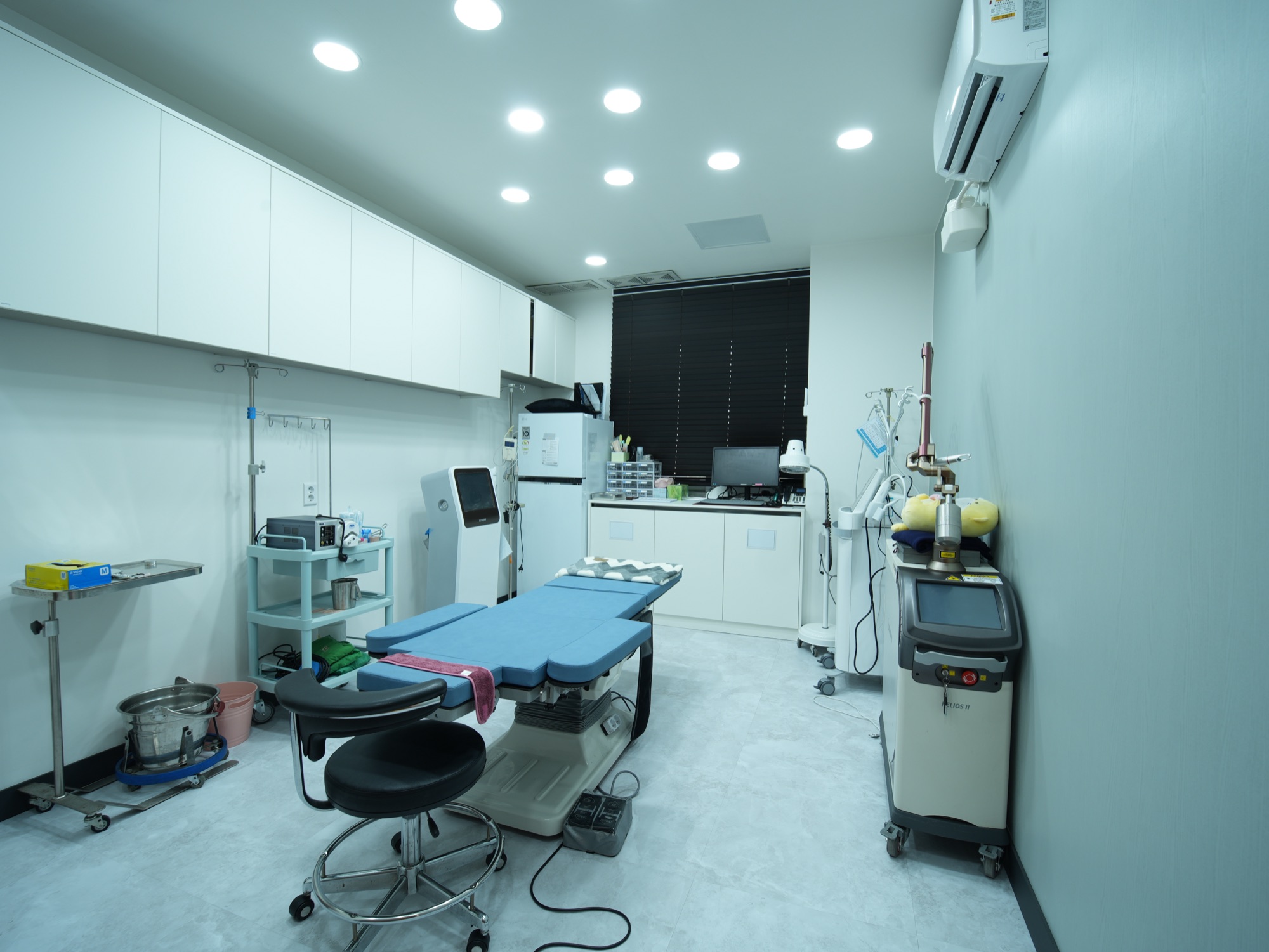
Who pico laser is for — and who it's not
Pico laser suits people with pigmentation concerns who understand this is a course, not a one-off event. It is a strong option for stubborn sun spots and freckles, for uneven, dull tone, and as a maintenance tool for skin that pigments easily. It also pairs well with a good sunscreen habit — without daily UV protection, pigment tends to return.
It is not the right first choice for everyone:
- Melasma can improve, but it is chronic and heat-sensitive. Aggressive settings can worsen it. Conservative toning, longer intervals and strict sun care matter more here than raw power.
- Deep, tethered acne scars often respond better to regenerative or resurfacing plans than pico alone.
- Active infection, certain photosensitising medications, or pregnancy — treatment is usually postponed.
- Very tanned skin right after sun exposure is a poor time to start; we typically wait.
If your main concern is loss of firmness or laxity rather than color, a laser is the wrong tool — we would point you toward lifting treatments instead. And if your skin needs hydration, barrier repair and collagen support alongside pigment work, we often discuss skin regeneration boosters as a complement rather than a substitute.
Good to know
Pico laser is a tone-and-texture tool, not a firmness tool. If someone promises pico will "lift" your face or erase deep scars in one visit, be skeptical — that is a sign of over-promising, not expertise.
What's included at HERA — and the same-price policy
At HERA, a pico laser plan begins with a proper skin assessment, not a machine switched on the moment you sit down. Your session includes a physician-led diagnosis of your pigment type and depth, a test-and-settings approach matched to your skin tone, the treatment itself, and clear written aftercare. Where a series is recommended, we map out the spacing so it fits your goals and, for visitors, your travel window.
On the question of pico laser cost in Korea: we don't publish per-shot or per-session numbers here, because the honest price depends on the area treated, your pigment concern, and how many sessions your skin actually needs — which we can only judge in person. What we can promise is our policy. International and Korean patients pay the same price — there is no foreigner markup — and you receive a transparent, itemized written estimate before anything begins. If you'd like to understand the korea pico laser price for your specific case, the fastest route is a short consultation (in person or by message) so the estimate reflects your skin, not a generic package.
Before you fly
Because a full pico course is spaced weeks apart, most visitors complete only one or two sessions during a single trip. That is normal and effective — we'll design a plan you can continue at home or on a return visit, and we'll be honest if one visit won't reach your goal.
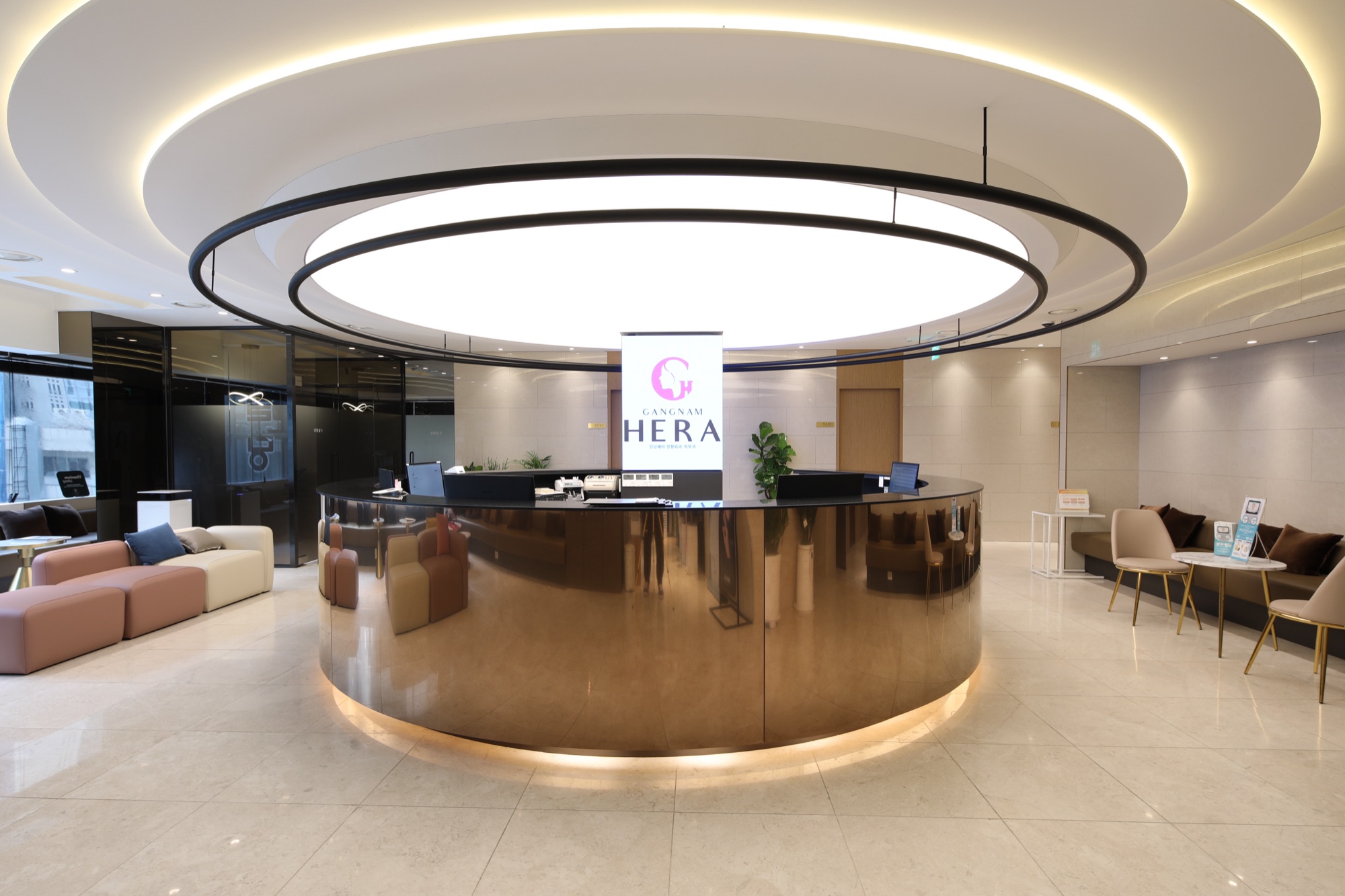
Trust: doctor-led care and genuine equipment
Laser results depend far more on the operator than the brand name on the machine. Settings that are too aggressive on pigment-prone or tanned skin can cause the very darkening patients came to fix. That is why every pico laser plan at HERA is physician-led: a licensed doctor assesses your skin, sets the parameters, and adjusts based on how your skin responds between sessions rather than running a fixed template.
We follow a genuine-product and equipment protocol — devices and any consumables are handled with opening, serial and record checks — and an on-site English interpreter is present so nothing about your diagnosis, settings or aftercare is lost in translation.
Pico laser vs. other pigment approaches
Pico is not the only way to treat tone and pigment, and it is often part of a plan rather than the whole plan.
| Topical / at-home | Pico laser | Combined plan | |
|---|---|---|---|
| Best for | Mild, early pigment | Spots, freckles, tone, texture | Melasma + dullness + texture |
| Visible downtime | None | Usually 0-2 days | Varies by add-on |
| Sessions | Ongoing daily | A short course | Staged over weeks |
| Fits a short trip? | Yes | 1-2 sessions per trip | Often needs return |
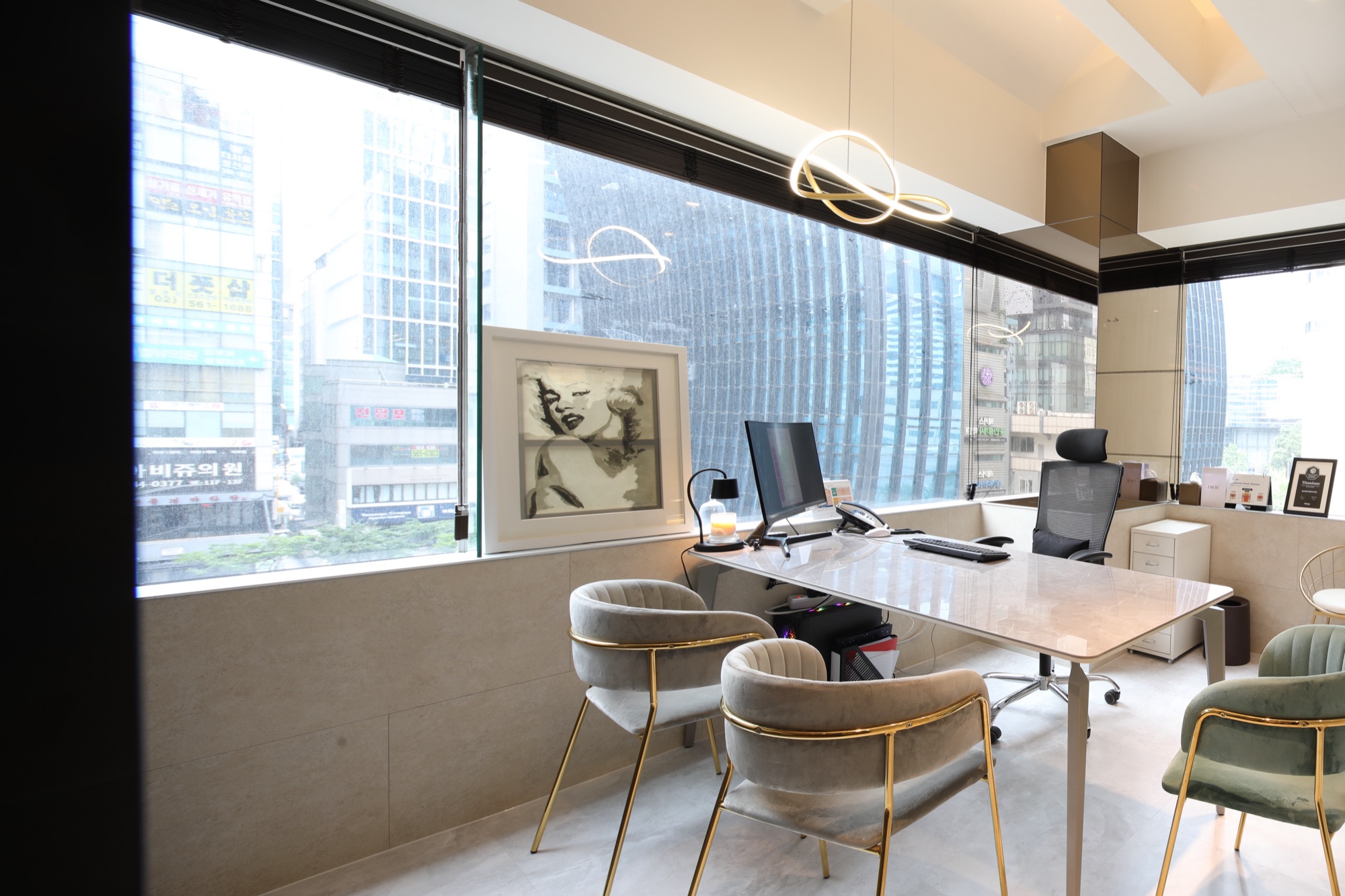
Recovery timeline and travel-aware aftercare
One reason a pico laser in Korea is popular with visitors is the gentle recovery, but it still helps to plan around it.
- Day of treatment: mild redness or warmth is common, a little like light sunburn. Toning-style sessions usually calm within hours; spot-targeting sessions may leave tiny darkened flecks that lift over days.
- By day 3: most redness has settled. Any micro-crusting from targeted spots should be left alone — do not pick. Keep the skin hydrated and use gentle products only.
- By day 7: skin generally looks calm and any flecks have flaked off. This is when early brightening can start to show, though full change builds over weeks and across sessions.
Sun protection is non-negotiable — a broad-spectrum sunscreen, a hat, and shade especially matter for travelers doing lots of walking. Skip saunas, hot springs, vigorous exercise and strong actives (retinoids, acids) for a few days. If you're combining with a booster or a lifting treatment, we'll sequence them so recovery windows don't overlap awkwardly.
Visiting HERA in Gangnam
Here is how a pico laser visit is structured for international patients, with no surprises.
- Consultation and booking: enquire before you arrive so your slot and plan are confirmed, and so your session count fits your dates.
- Interpretation: an on-site English interpreter joins your consultation and treatment.
- Length of stay: a single session is quick; a full course is spaced over weeks, so we'll honestly tell you what one trip can and can't achieve.
- Combining treatments: pico pairs neatly with hydration boosters or, separately, with lifting treatments — we plan timing so downtime lines up.
- Payment: same price for locals and visitors, with a written estimate agreed before we begin.
We'd rather give you a smaller, honest plan you understand than sell you an oversized package. If you'd like a personalized assessment of what pico laser could do for your skin, our English-speaking team is one message away.
FAQ
Frequently asked questions
Q1How much does pico laser cost in Korea?
We don't publish per-session numbers because the honest price depends on the area, your pigment concern and how many sessions your skin actually needs. International and Korean patients pay the same price with no foreigner markup, and you'll receive a transparent written estimate after a short consultation.Q2How many pico laser sessions will I need?
Most people need a short course, typically 3-5 sessions spaced 3-4 weeks apart, though this varies by individual and pigment type. One session can brighten, but results build gradually. We'll give you an honest session estimate at your in-person consultation.Q3Is pico laser good for melasma?
It can help, but melasma is chronic and heat-sensitive, so conservative toning settings, longer intervals and strict sun protection matter more than strong energy. Results vary by individual, and we plan carefully to avoid rebound pigmentation.Q4How much downtime does pico laser in Korea have?
Usually little — mild redness for a few hours to a couple of days, and possible tiny flecks from targeted spots that lift within about a week. Sun protection afterward is essential. Recovery varies by session type and individual skin.Q5Can I finish a full pico laser course during one trip to Korea?
Usually not, because sessions are spaced weeks apart. Most visitors complete one or two sessions per trip and continue at home or on a return visit. We design a plan around your travel dates and tell you honestly what one trip can achieve.
HERA Journal
Keep reading
 Lifting
Thermage FLX in Korea: A Complete Guide
What Thermage FLX in Korea really involves — how it works, who it suits, what's included, recovery, and what shapes the cost.
8 minRead → Lifting
Shrink Lifting in Korea: A Patient Guide
What Shrink lifting in Korea actually does, who it suits, downtime, and how HERA in Gangnam prices it the same for locals and visitors.
8 minRead → Injectables
Fat Dissolving Injections in Korea: A Guide
What fat dissolving injections can and can't do, who they suit, downtime, and how a treatment is planned for international patients in Gangnam, Seoul.
8 minRead →
On YouTube
YouTube videos
Explainer videos from our medical team — tap to play.
Your medical team
The team by your side
The director who consults with you performs your surgery personally. A team of 40, including 24 board-certified plastic surgeons and 9 on-site anesthesiologists, is with you 1:1 from consultation to aftercare. Results vary by individual.

Koo Hyun-kook
Plastic Surgery
- Lifetime Member, Korean Society of Plastic and Reconstructive Surgeons
- Full Member, Korean Society for Aesthetic Plastic Surgery
- Full Member, International Society of Aesthetic Plastic Surgery (IPRAS)
- Member, Korean Society for Breast Plastic Surgery Research
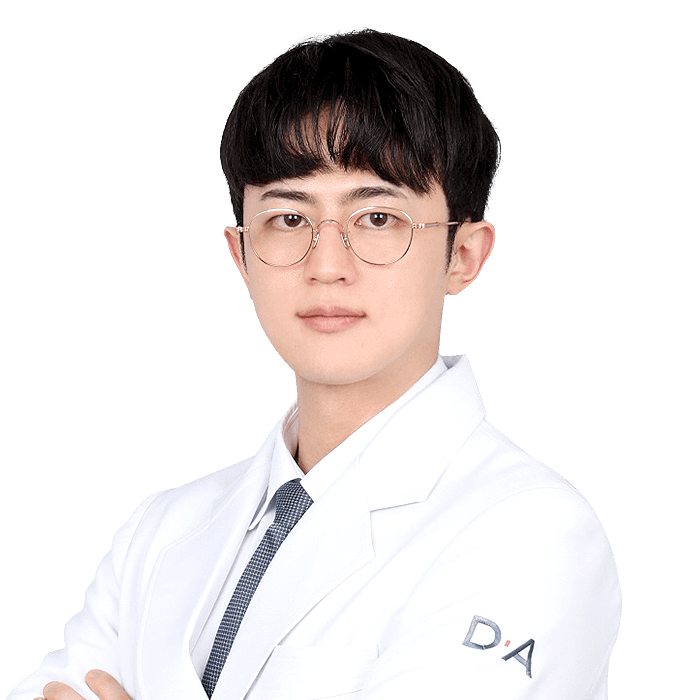
Kim Kyung-hoe
Plastic Surgery
- Completed training in Plastic Surgery, Seoul National University Hospital
- Lifetime Member, Korean Society of Plastic and Reconstructive Surgeons
- Full Member, Korean Society for Aesthetic Plastic Surgery
- Full Member, Korean Society of Craniofacial Plastic Surgery
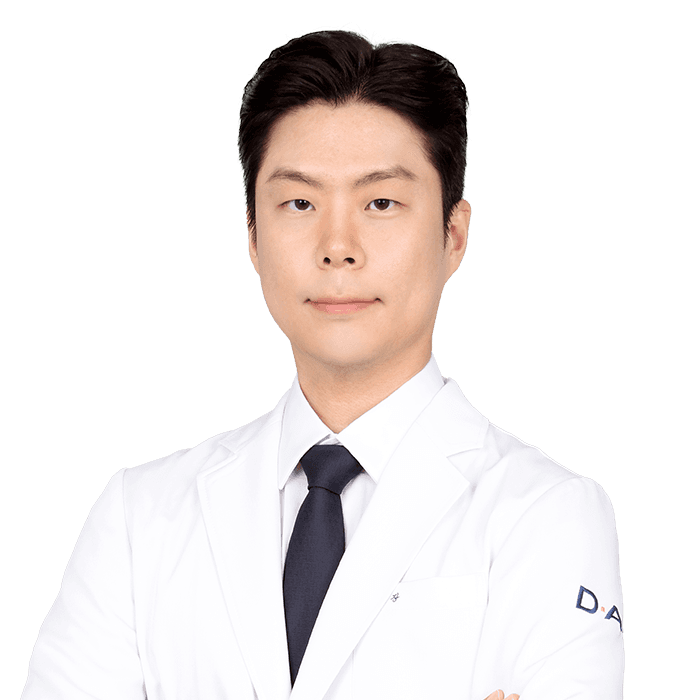
Kim Do-yeon
Plastic Surgery
- Completed training in Plastic Surgery, Seoul Asan Medical Center
- Clinical Instructor, Plastic Surgery, Seoul Asan Medical Center
- Lifetime Member, Korean Society of Plastic and Reconstructive Surgeons
- Full Member, Korean Society for Aesthetic Plastic Surgery
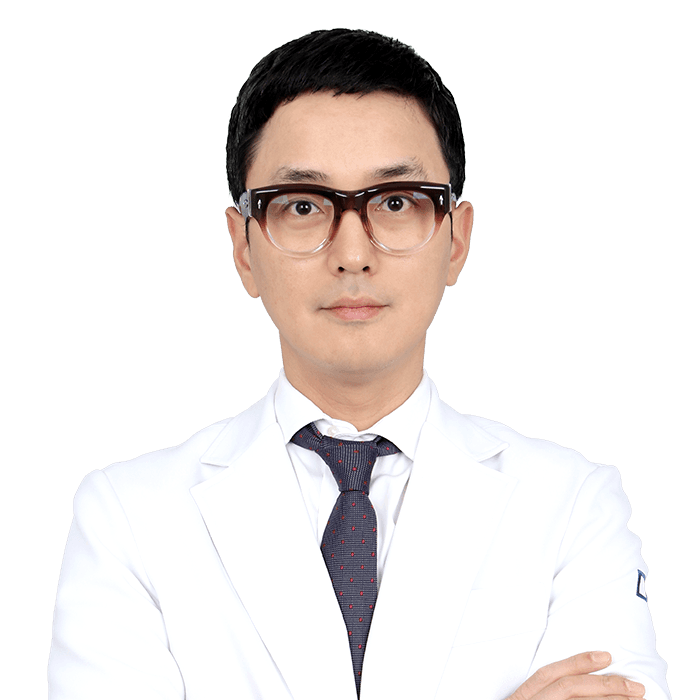
Kim Seok-hwan
Plastic Surgery
- Full Member, Korean Society of Plastic and Reconstructive Surgeons
- Full Member, Korean Society for Aesthetic Plastic Surgery
- Full-time Physician, Suncheon University Hospital
- (Former) Director, Yeonrael Plastic Surgery
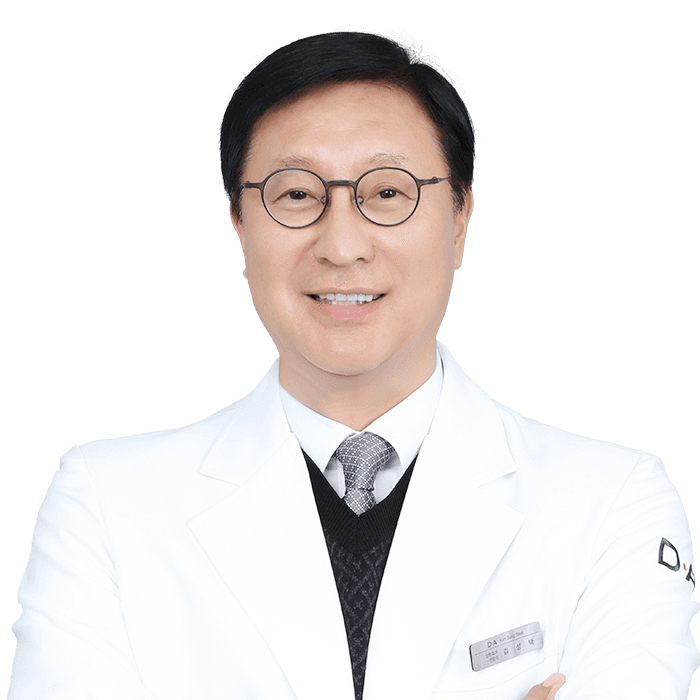
Kim Seong-taek
Plastic Surgery
- Lifetime Member, Korean Society of Plastic and Reconstructive Surgeons
- Full Member, Korean Association of Plastic Surgeons
- Full Member, Korean Society for Aesthetic Plastic Surgery
- Full Member, Korean Society of Craniofacial Plastic Surgery
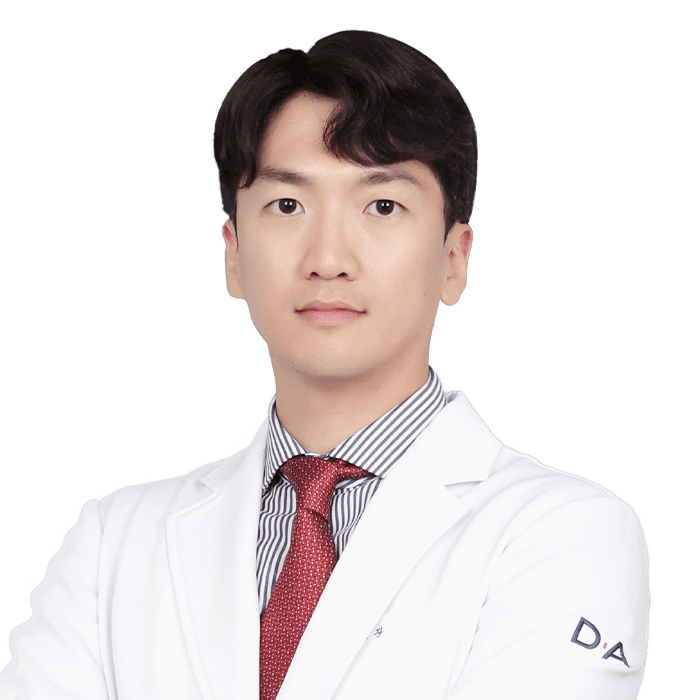
Kim Jin-bin
Plastic Surgery
- Lifetime Member, Korean Society of Plastic and Reconstructive Surgeons
- Full Member, Korean Society for Aesthetic Plastic Surgery
- (Former) Director, Juno Plastic Surgery
- (Former) Director, Seoul Yeojeong Plastic Surgery
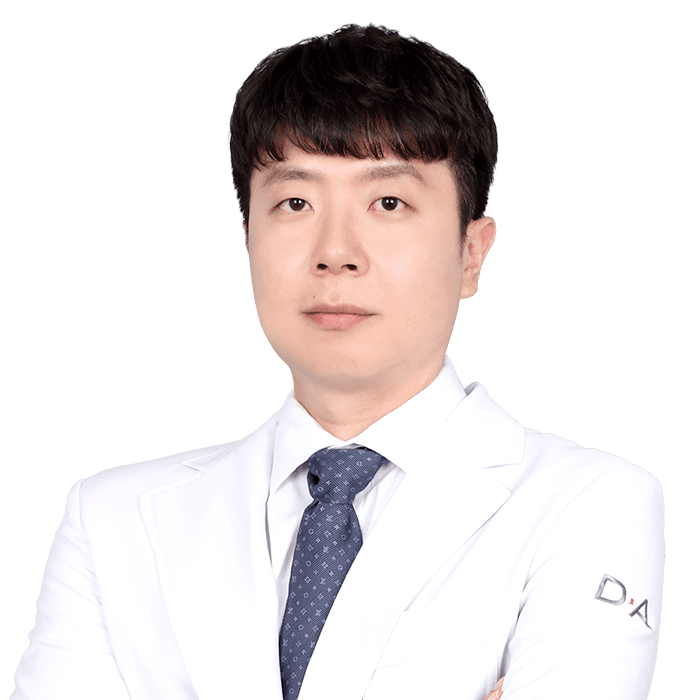
Kim Tae-ki
Plastic Surgery
- Full Member, Korean Society of Plastic and Reconstructive Surgeons
- Full Member, Korean Society for Aesthetic Plastic Surgery
- Full Member, Korean Society of Craniofacial Plastic Surgery
- (Former) Director, Juno Plastic Surgery
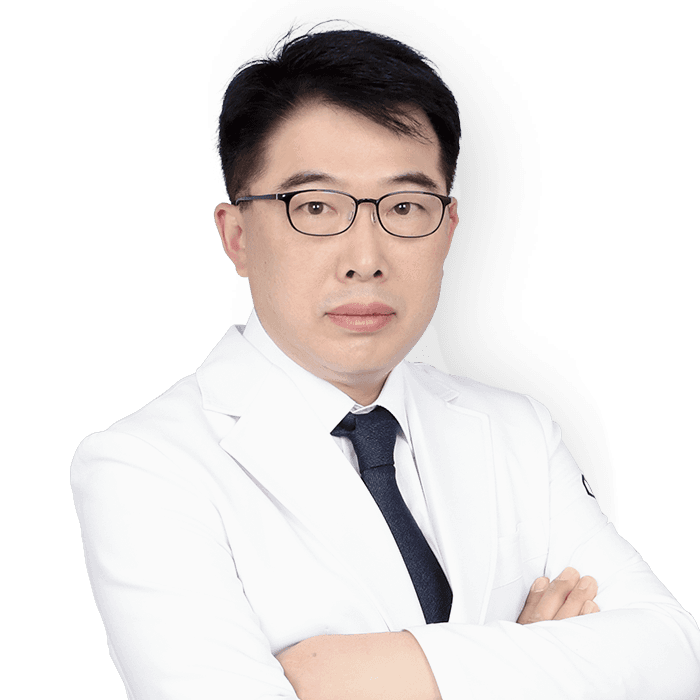
Nam Dong-woo
Plastic Surgery
- Lifetime Member, Korean Society of Plastic and Reconstructive Surgeons
- Full Member, Korean Society for Aesthetic Plastic Surgery
- Full Member, International Society of Aesthetic Plastic Surgery (ISAPS)
- (Former) Director, BK Plastic Surgery
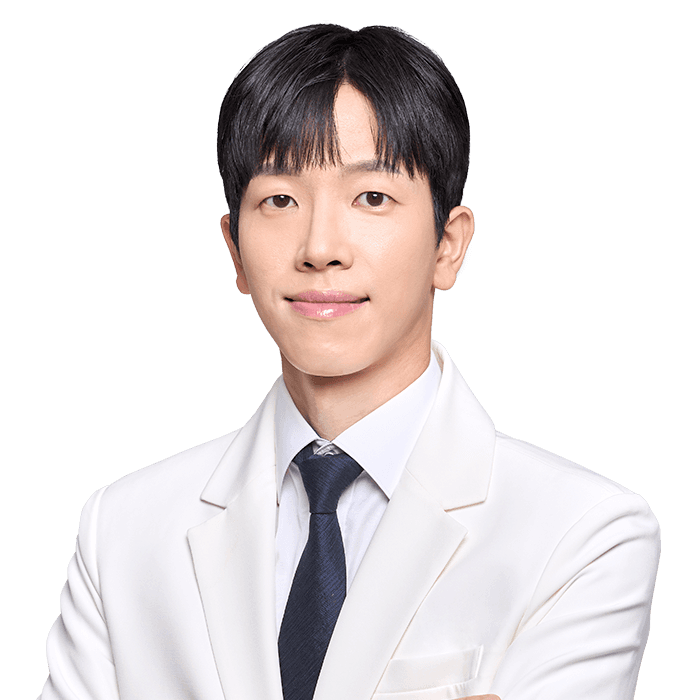
Yoo Woo-sang
Plastic Surgery
- Full Member, Korean Society of Plastic and Reconstructive Surgeons
- Full Member, Korean Society for Aesthetic Plastic Surgery
- Youth Career Planning Mentor, Ministry of Education
- (Former) Director, Naturalism Plastic Surgery
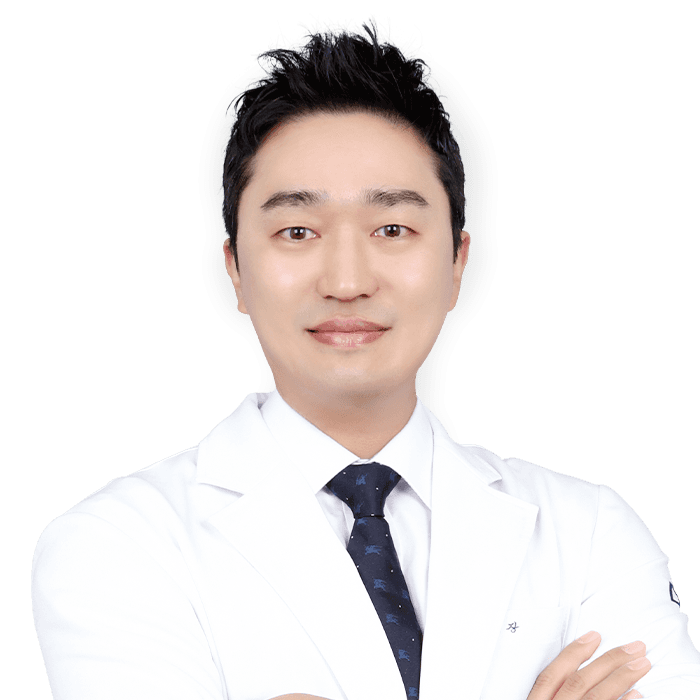
Park Min-seok
Plastic Surgery
- Lifetime Member, Korean Society of Plastic and Reconstructive Surgeons
- Full Member, Korean Society for Aesthetic Plastic Surgery
- Full Member, Korean Association of Plastic Surgeons
- Clinical Outpatient Professor, Sanggye Paik Hospital
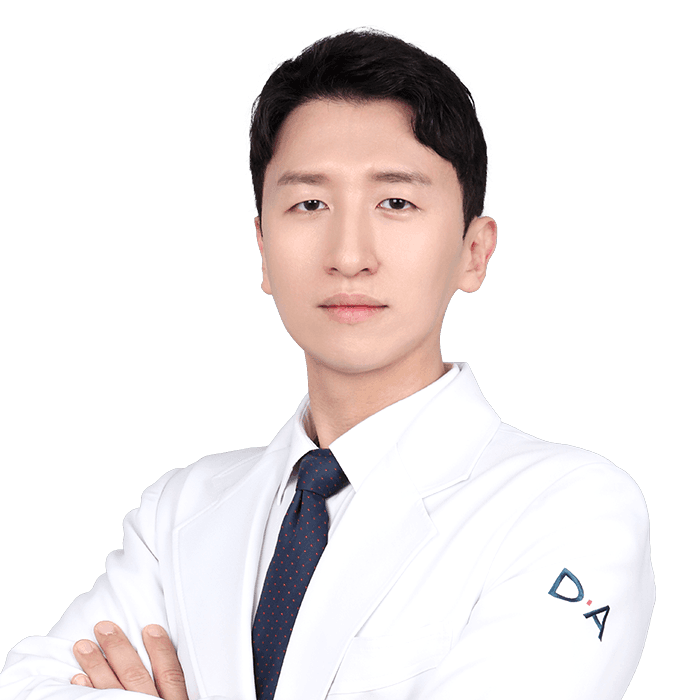
Park Jin-woo
Plastic Surgery
- Lifetime Member, Korean Society of Plastic and Reconstructive Surgeons
- Full Member, Korean Society for Aesthetic Plastic Surgery
- Completed training in Plastic Surgery, Yonsei University Severance Hospital
- Plastic Surgery Fellowship, UNC Medical Center
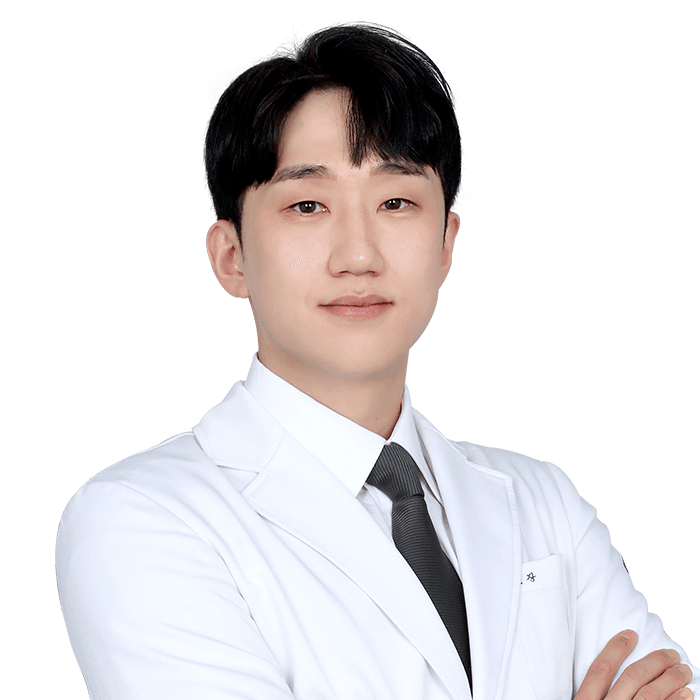
Bae Jae-young
Plastic Surgery
- Plastic Surgery Specialist Residency, Yonsei Severance Hospital
- Specialist (Clinical Instructor), Yonsei Severance Hospital
- Lifetime Member, Korean Society of Plastic and Reconstructive Surgeons
- Full Member, Korean Society for Aesthetic Plastic Surgery
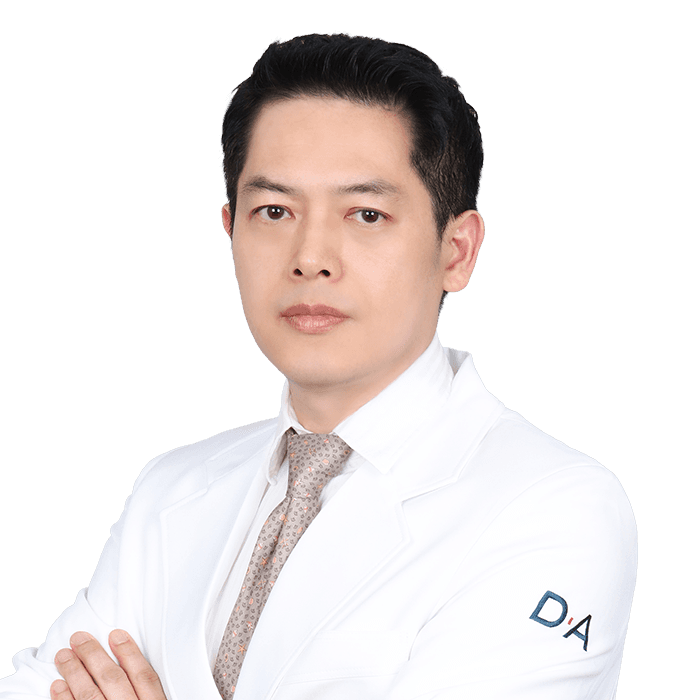
Seo Sang-hoon
Plastic Surgery
- Full Member, Korean Society of Plastic and Reconstructive Surgeons
- Full Member, Korean Society for Aesthetic Plastic Surgery
- Full Member, Korean Association of Plastic Surgeons
- (Former) Girim Plastic Surgery
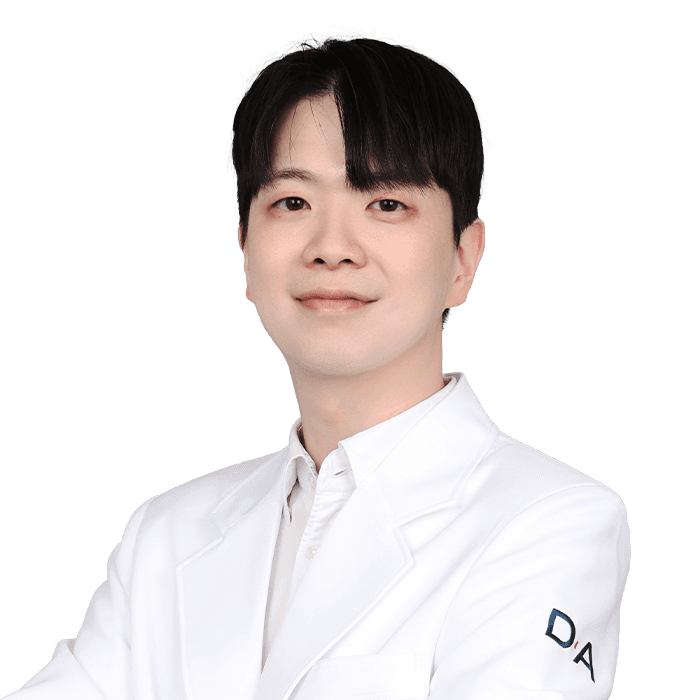
Yang Hee-jae
Plastic Surgery
- Lifetime Member, Korean Society of Plastic and Reconstructive Surgeons
- Full Member, Korean Society for Aesthetic Plastic Surgery
- (Former) Director, Aime Plastic Surgery Clinic
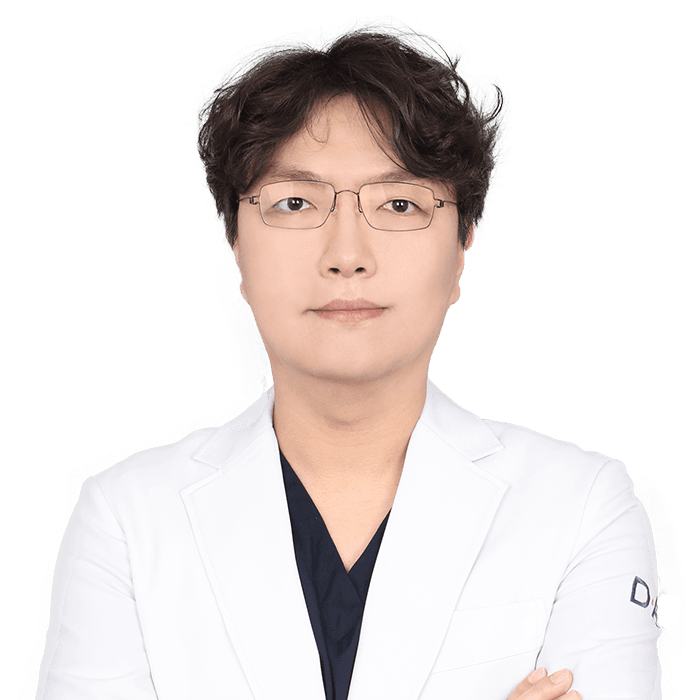
Yoo Young-sun
Plastic Surgery
- Full Member, Korean Society of Plastic and Reconstructive Surgeons
- Full Member, Korean Society for Aesthetic Plastic Surgery
- Full Member, Oculoplastic Surgery Research Group, Korean Society of Plastic Surgery
- Full Member, Rhinoplasty Research Group, Korean Society of Plastic Surgery
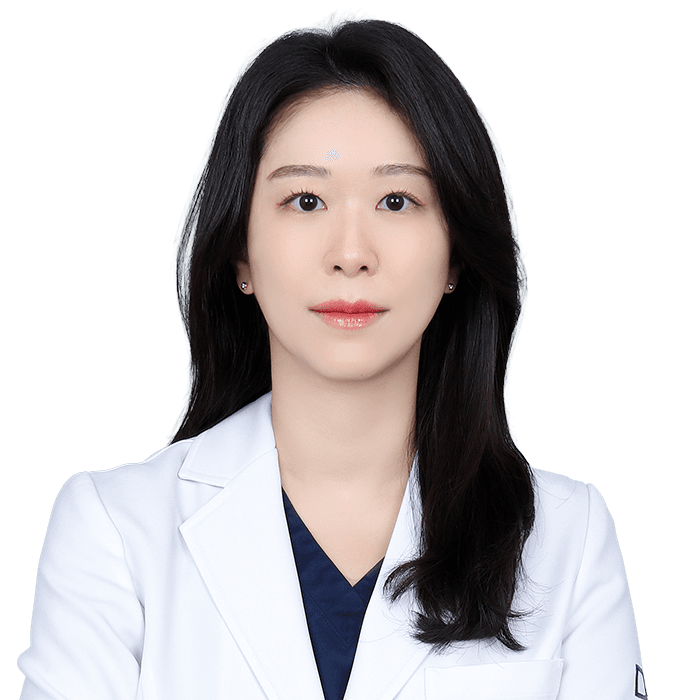
Yoo Hyo-kyung
Plastic Surgery
- Completed doctoral program, Seoul National University College of Medicine
- Full-time Physician, Plastic Surgery, Seoul National University Hospital
- Full Member, Korean Society of Plastic and Reconstructive Surgeons
- Full Member, Korean Society for Aesthetic Plastic Surgery
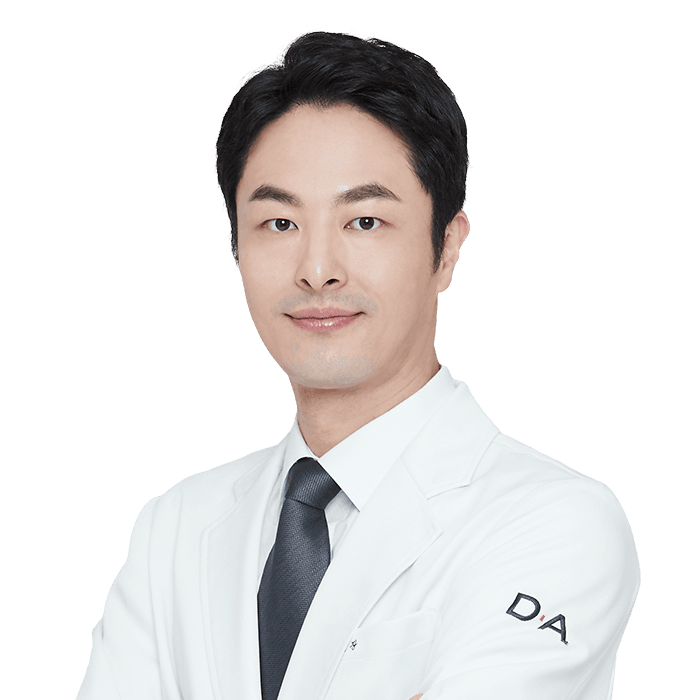
Lee Dong-chan
Plastic Surgery
- Completed training in Plastic Surgery, Seoul National University Hospital
- Full Member, Korean Association of Plastic Surgeons
- Lifetime Member, Korean Society of Plastic and Reconstructive Surgeons
- Full Member, Korean Society for Aesthetic Plastic Surgery
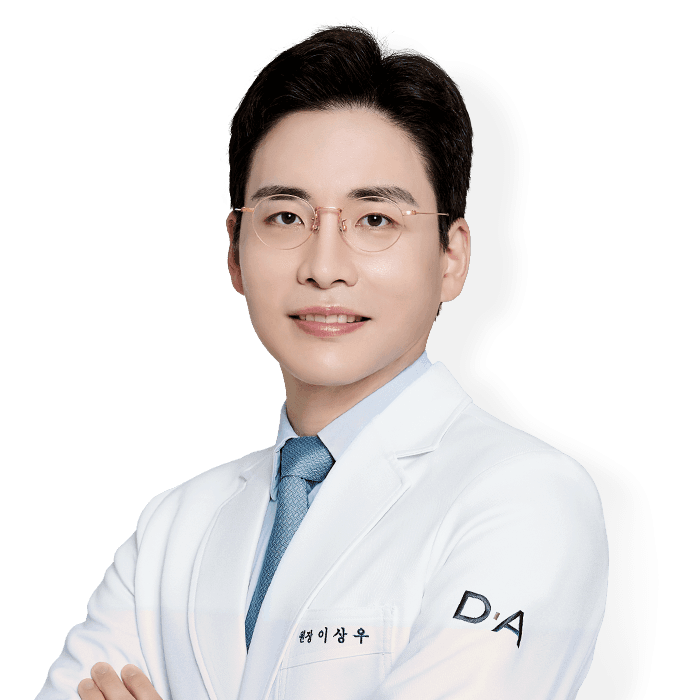
Lee Sang-woo
Plastic Surgery
- Adjunct Professor, Plastic Surgery, Seoul National University Hospital
- Ph.D., Seoul National University Graduate School of Medicine
- Lifetime Member, Korean Society of Plastic and Reconstructive Surgeons
- Member, Korean Society for Maxillofacial Contouring Plastic Surgery Research
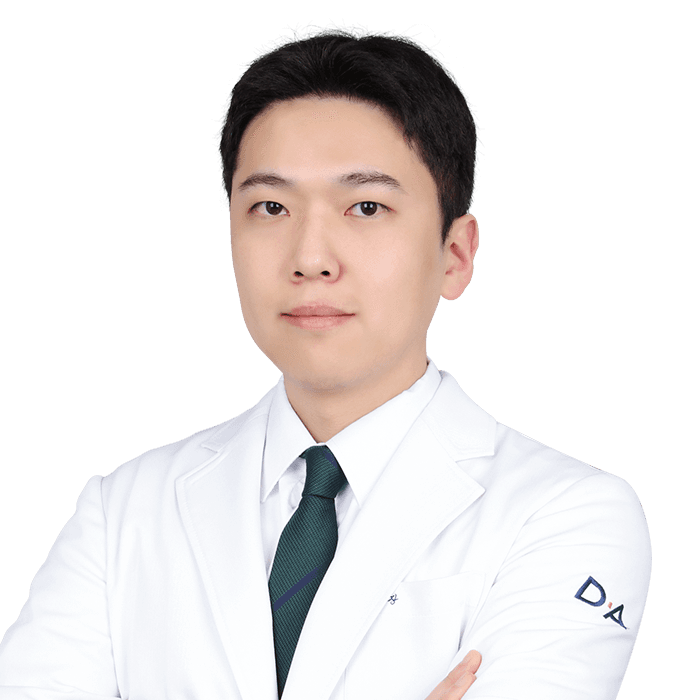
Lee Seong-joo
Plastic Surgery
- Lifetime Member, Korean Society of Plastic and Reconstructive Surgeons
- Full Member, Korean Society for Aesthetic Plastic Surgery
- Full Member, Korean Society of Craniofacial Plastic Surgery
- Full Member, Korean Association of Plastic Surgeons
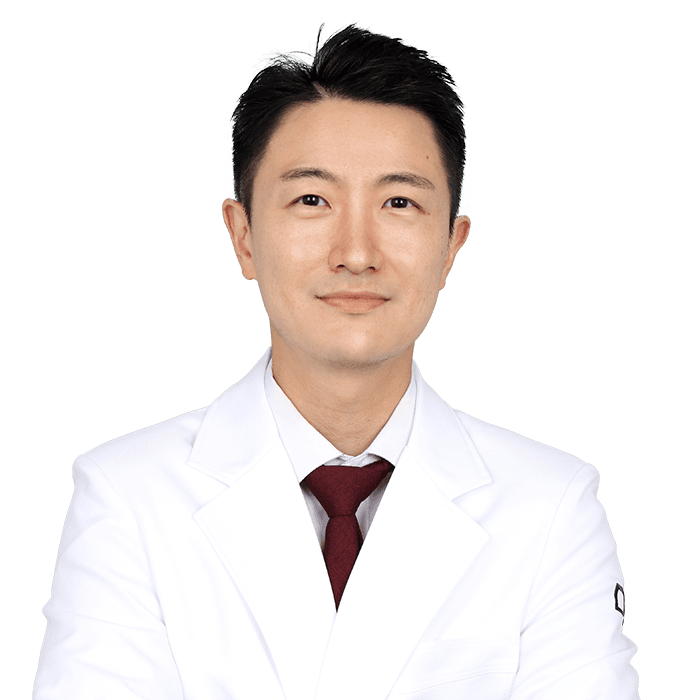
Lee Yoon-hwan
Plastic Surgery
- Adjunct Professor, Plastic Surgery, Korea University College of Medicine
- Ph.D. in Plastic Surgery, Korea University College of Medicine
- Lifetime Member, Korean Society of Plastic and Reconstructive Surgeons
- Full Member, Korean Society for Aesthetic Plastic Surgery
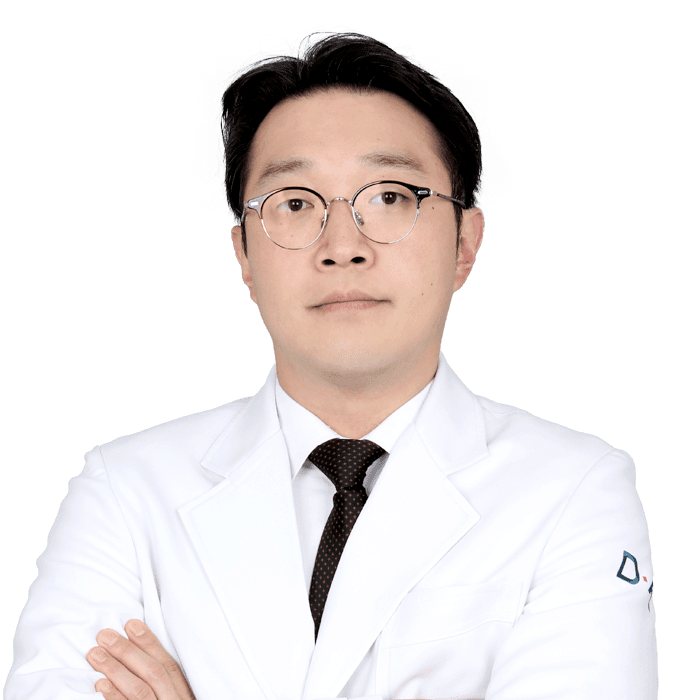
Lee Jae-hyun
Plastic Surgery
- Completed training in Plastic Surgery, Hanyang University Medical Center
- Full Member, Korean Society of Plastic and Reconstructive Surgeons
- Full Member, Korean Association of Plastic Surgeons
- Full Member, Korean Society for Aesthetic Plastic Surgery

Jang Joo-yoon
Plastic Surgery
- Full-time Physician, Plastic Surgery, Seoul National University Hospital
- Consultant, Plastic Surgery, Seoul National University Bundang Hospital
- Lifetime Member, Korean Society of Plastic and Reconstructive Surgeons
- International Member, American Society of Plastic Surgeons (ASPS)
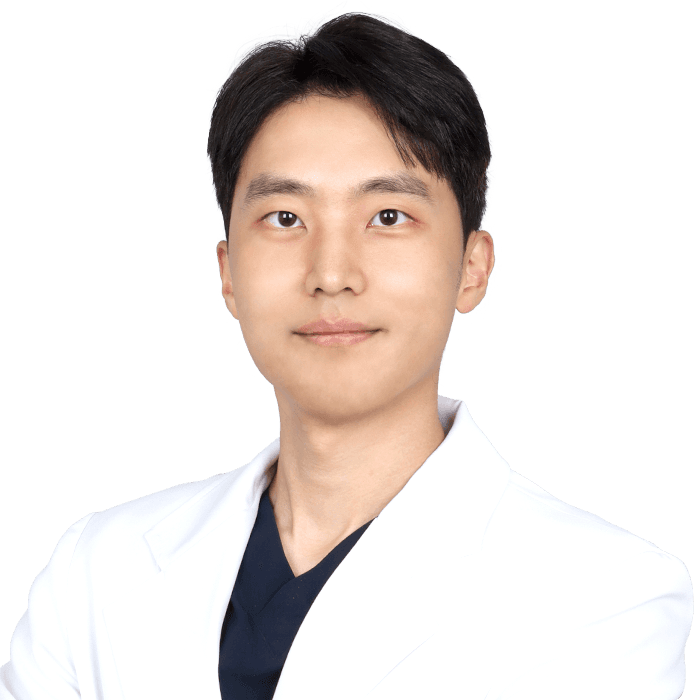
Jung Jae-hoon
Plastic Surgery
- Graduated from Sungkyunkwan University School of Medicine, Korea
- Plastic Surgery Specialist, Samsung Medical Center
- Outpatient Professor, Plastic Surgery, Samsung Medical Center
- Lifetime Member, Korean Society of Plastic and Reconstructive Surgeons
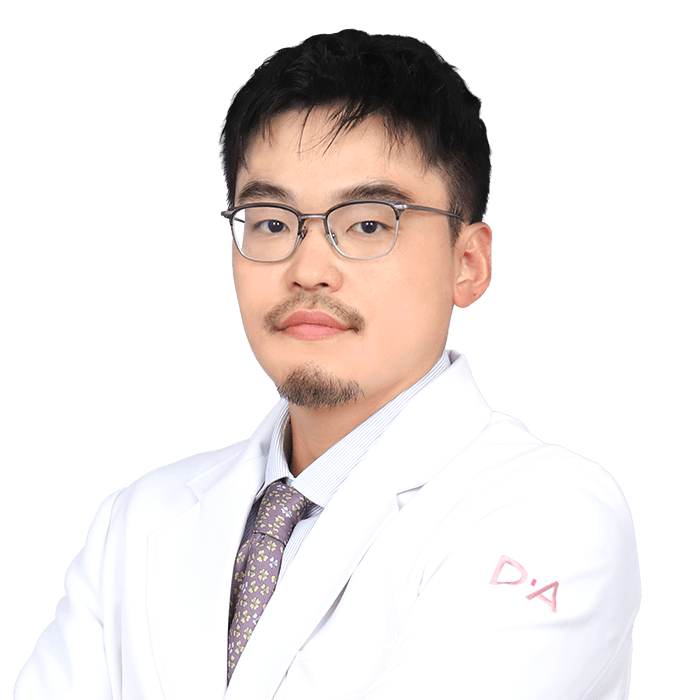
Cho Young-hoo
Plastic Surgery
- Graduated from Ajou University School of Medicine and its Graduate School
- Consultant and Visiting Professor, Plastic Surgery, Ajou University
- Lifetime Member, Korean Society of Plastic and Reconstructive Surgeons
- Full Member, Korean Society for Aesthetic Plastic Surgery
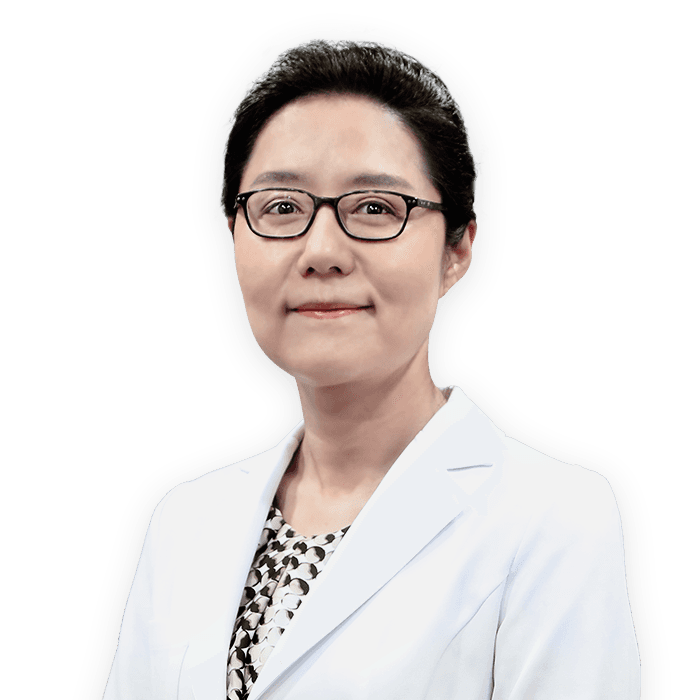
Kim Yoon-jung
ENT / Otorhinolaryngology
- Full Member, Korean Society of Otorhinolaryngology
- Full Member, Korean Rhinologic Society
- Full Member, Korean Academy of Facial Plastic and Reconstructive Surgery
- (Former) Adjunct Professor, ENT, Ewha Womans University Mokdong Hospital
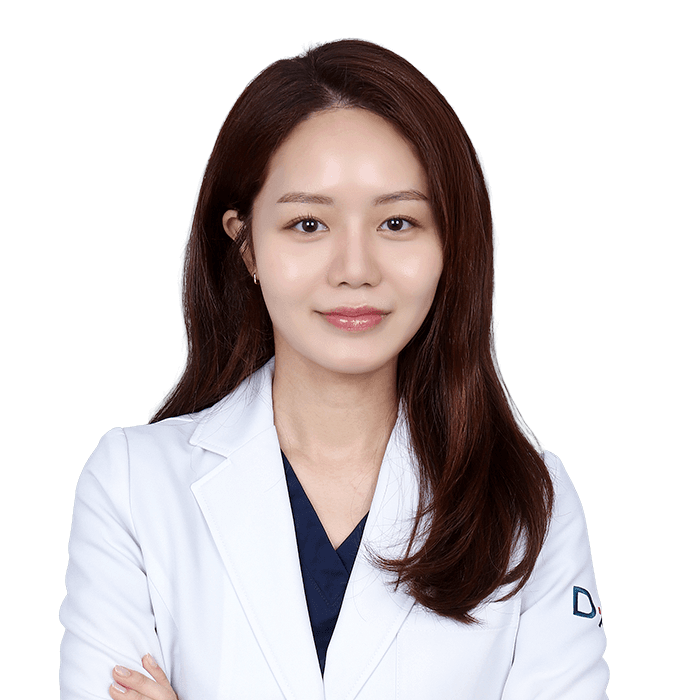
Moon Seo-jin
ENT / Otorhinolaryngology
- Graduated from Yonsei University College of Medicine
- Professor, ENT, Yongin Severance Hospital, Yonsei University College of Medicine
- Completed ENT Specialist Residency and Clinical Instructorship, Severance Hospital
- Full Member, Korean Academy of Facial Plastic and Reconstructive Surgery
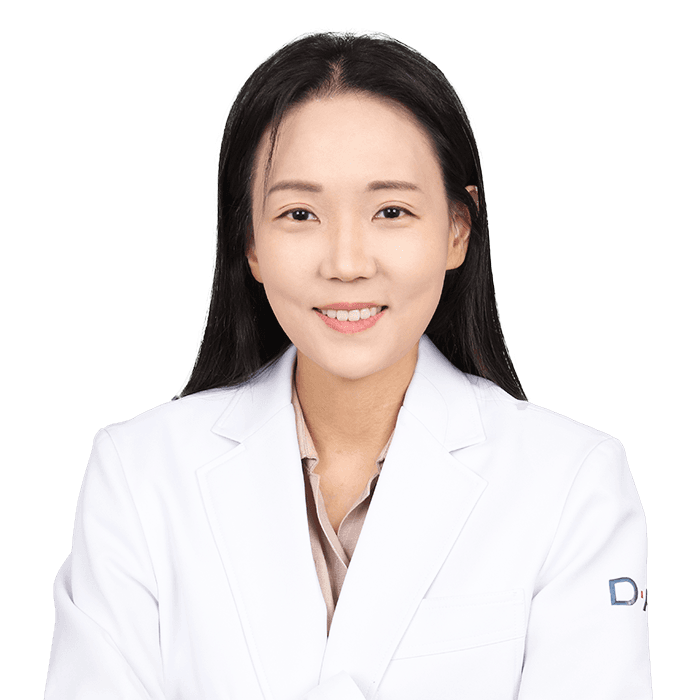
Shin Yoo-jin
Surgery / Internal Medicine
- Master's, Korea University Graduate School of Medicine
- Completed doctoral program in Internal Medicine, Seoul National University
- Internal Medicine Specialist, Seoul National University Bundang Hospital
- Endocrinology Specialist, Seoul National University Bundang Hospital
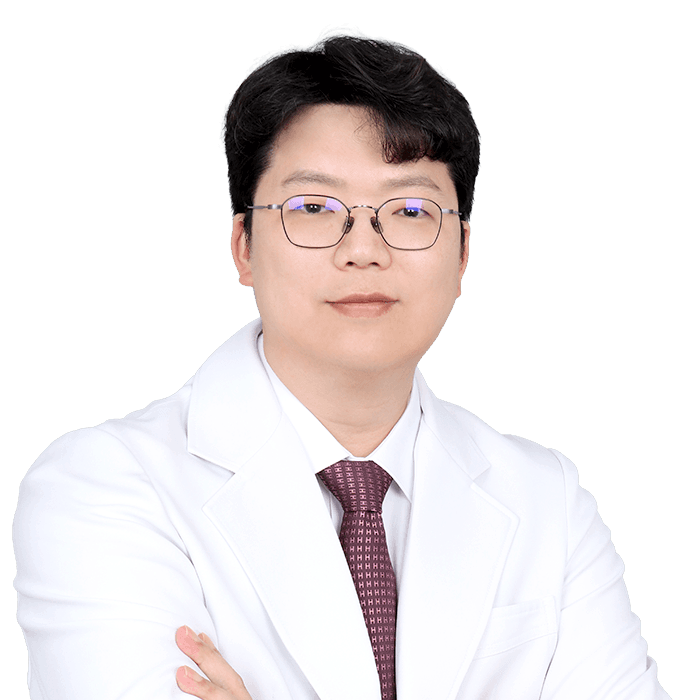
Kim Dong-hyun
Dermatology
- Specialist, Samsung Cheil Hospital
- Academic Director, Korean Society of Skin, Obesity and Aesthetic Surgery
- Allergan Botox Consultant
- (Former) Representative Director, Toxnfill Dermatology Hongdae Sinchon Branch
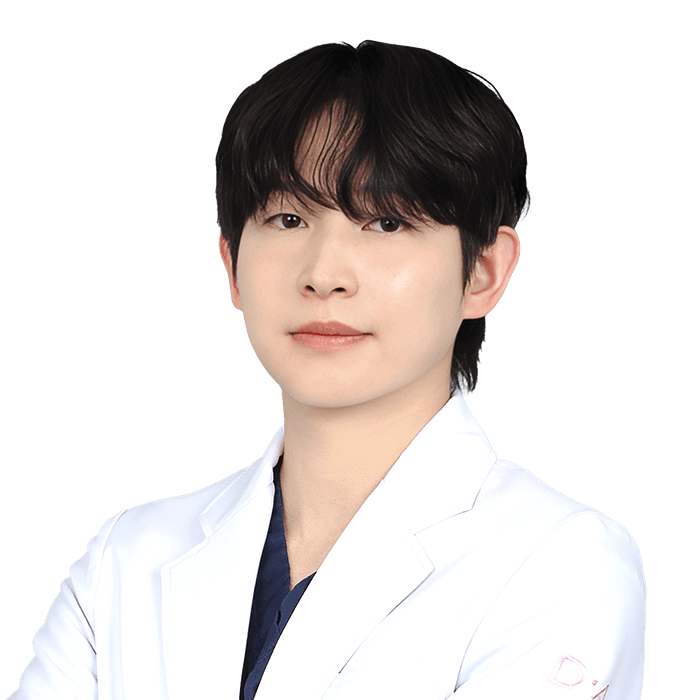
Kim Dong-hoon
Dermatology
- Full Member, Korean Lifting Society
- Full Member, Korean Hyaluronic Acid Filler Society
- (Former) Director, Onlif Plastic Surgery
- (Former) Director, pangpang Clinic
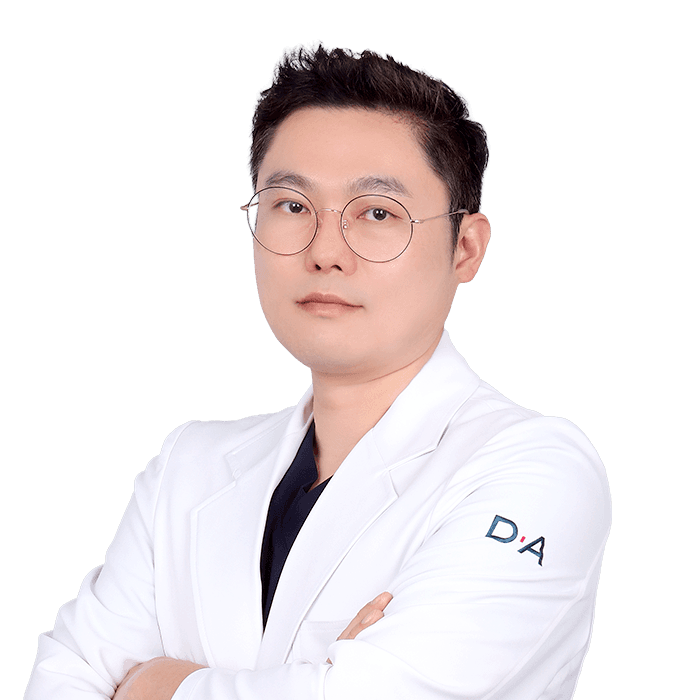
Kim Jae-han
Dermatology
- Full Member, Korean Society for Aesthetic Plastic Surgery
- Full Member, Korean Lifting Society
- Full Member, Korean Anti-Aging Research Society
- (Former) Representative Director, Cheongdam Junis
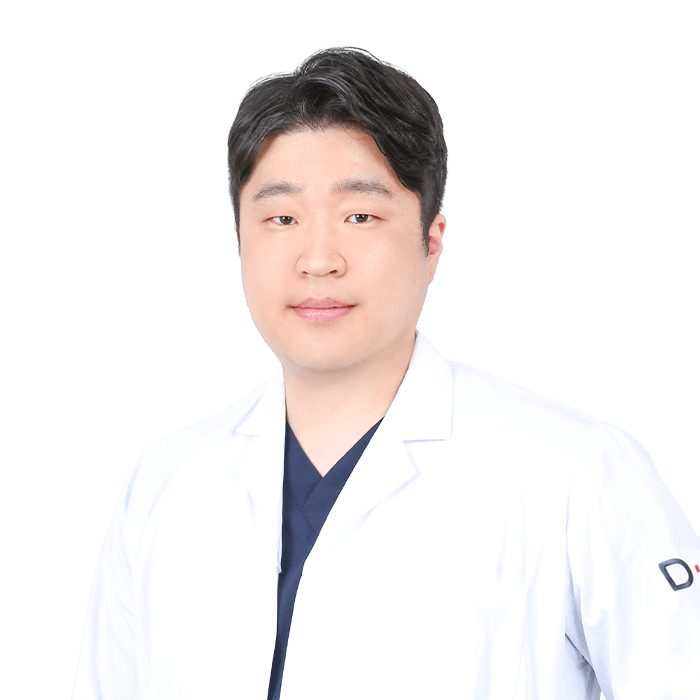
Choi Hyun-min
Dermatology
- Graduated from Washington University in St. Louis, USA
- Graduated from Catholic University of Korea Graduate School of Medicine
- Completed Surgery Specialist Program, Yonsei Severance Hospital
- (Former) Director, Yaan Clinic
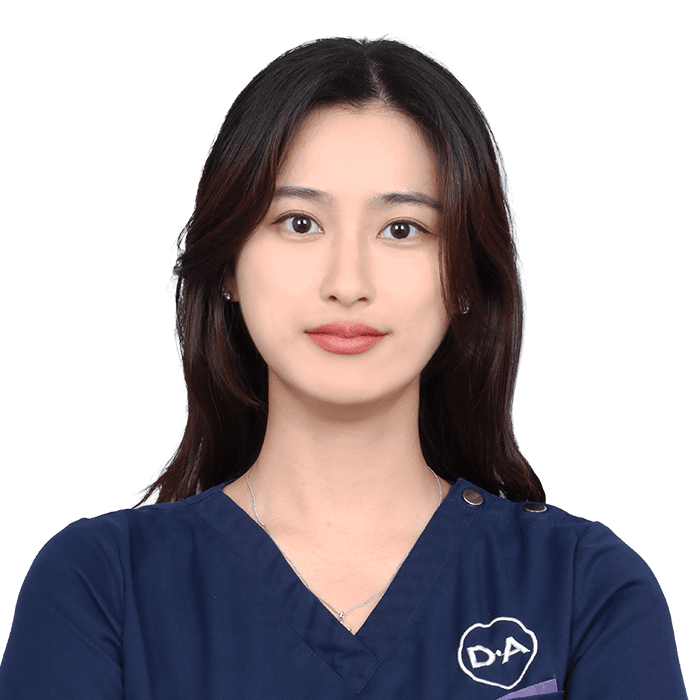
Kwon Jin-ah
Anesthesiology and Pain Medicine
- Anesthesiology and Pain Medicine Specialist, Seoul National University Hospital
- Full Member, Korean Society of Anesthesiologists
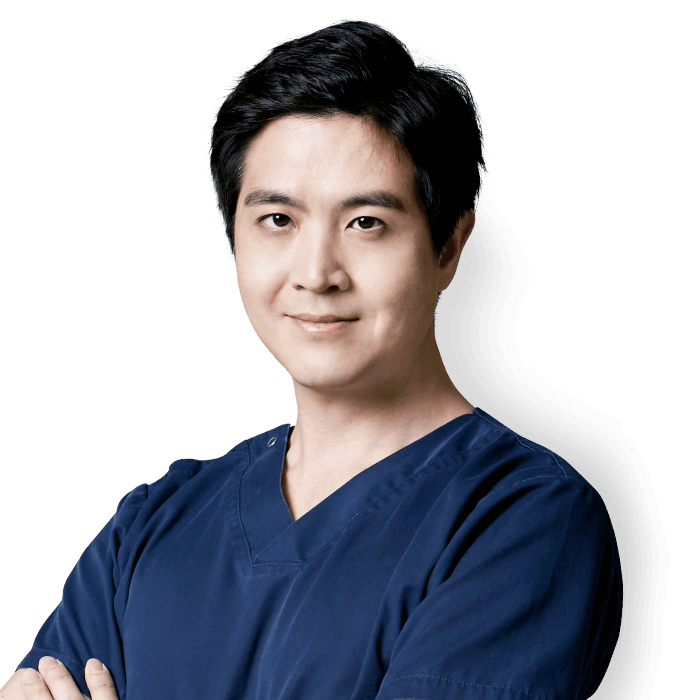
Kim Sung-hwan
Anesthesiology and Pain Medicine
- Intern, Seoul National University Hospital
- Specialist, Seoul National University Hospital
- Full Member, Korean Society of Anesthesiologists
- Full Member, Korean Society of Critical Care Medicine
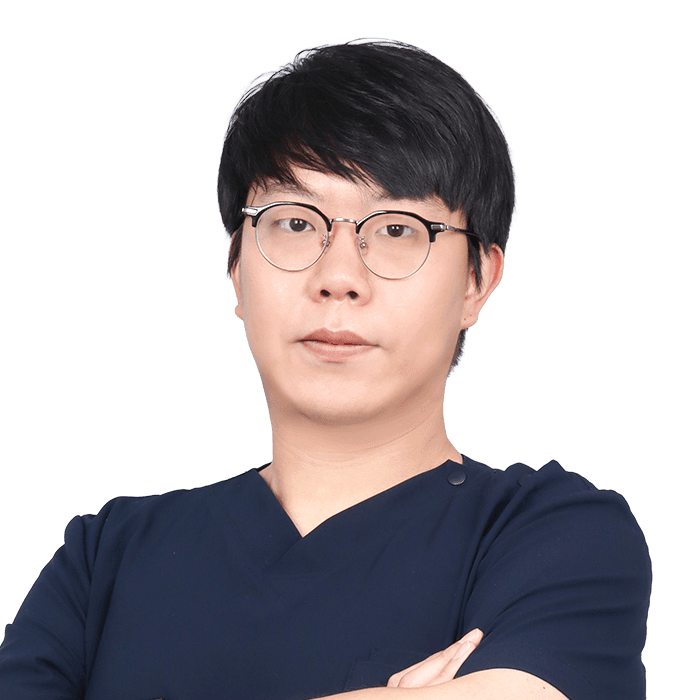
Park Dong-hyuk
Anesthesiology and Pain Medicine
- Anesthesiology and Pain Medicine Specialist, Seoul National University Hospital
- Full Member, Korean Society of Anesthesiologists
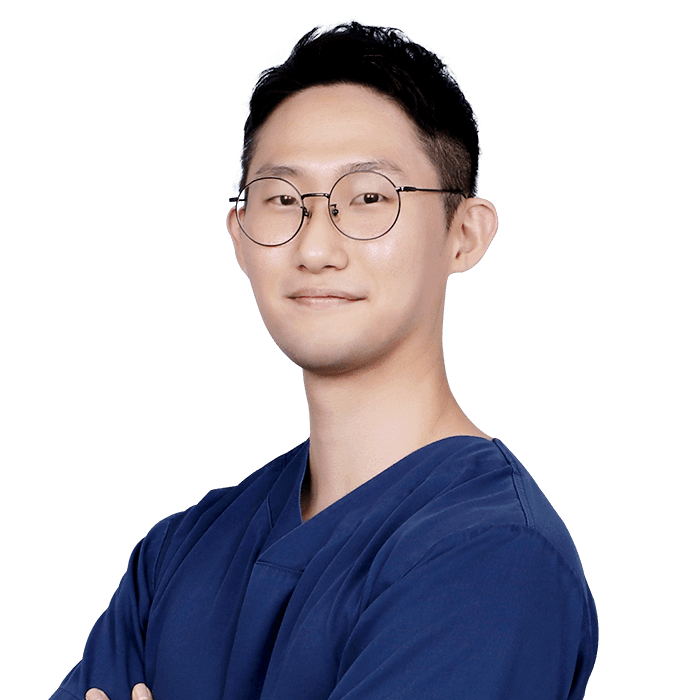
Seo Min-gang
Anesthesiology and Pain Medicine
- Anesthesiology and Pain Medicine Specialist, Seoul National University Hospital
- Full Member, Korean Society of Anesthesiologists
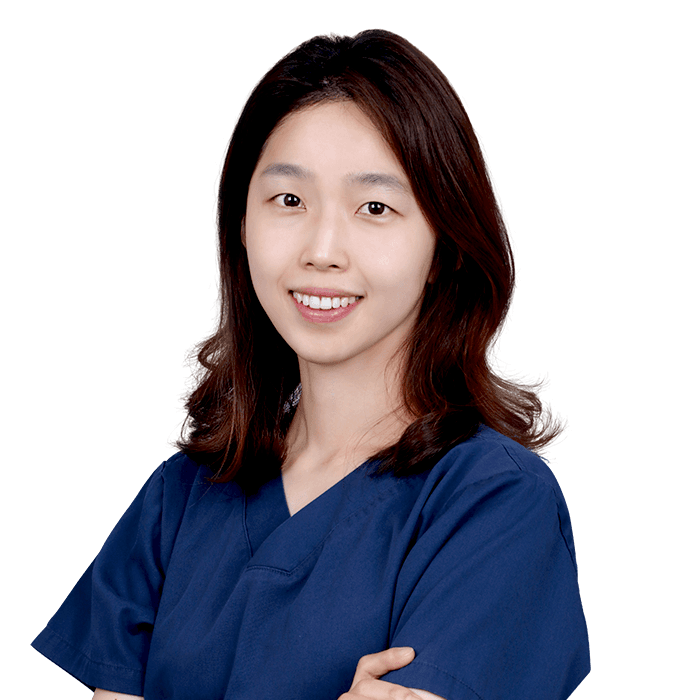
Yang Hye-mo
Anesthesiology and Pain Medicine
- Anesthesiology and Pain Medicine Specialist, Seoul National University Hospital
- Full Member, Korean Society of Anesthesiologists
- Full Member, Korean Pain Society
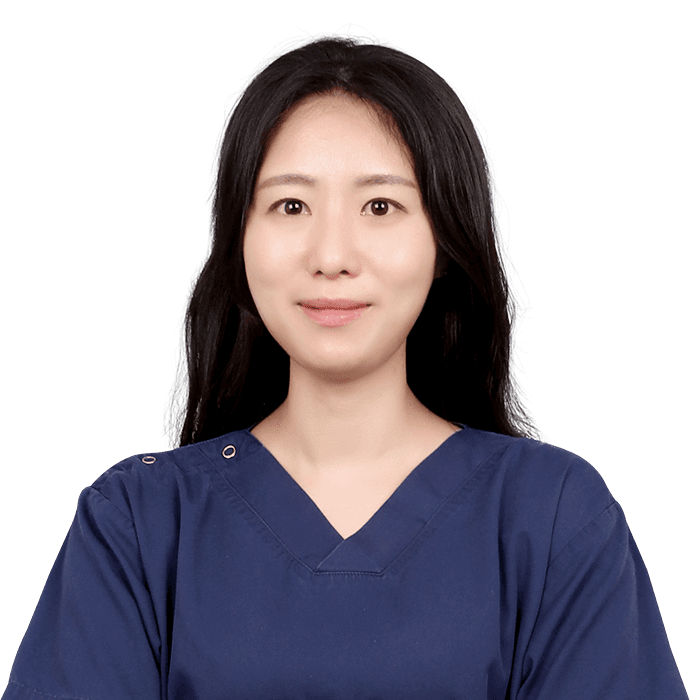
Lee Mi-sook
Anesthesiology and Pain Medicine
- Anesthesiology and Pain Medicine Specialist, Kangbuk Samsung Hospital, Sungkyunkwan University School of Medicine
- Full Member, Korean Society of Anesthesiologists
- Full Member, Korean Pain Society
- Full Member, Korean Society of Cardiothoracic Anesthesiologists
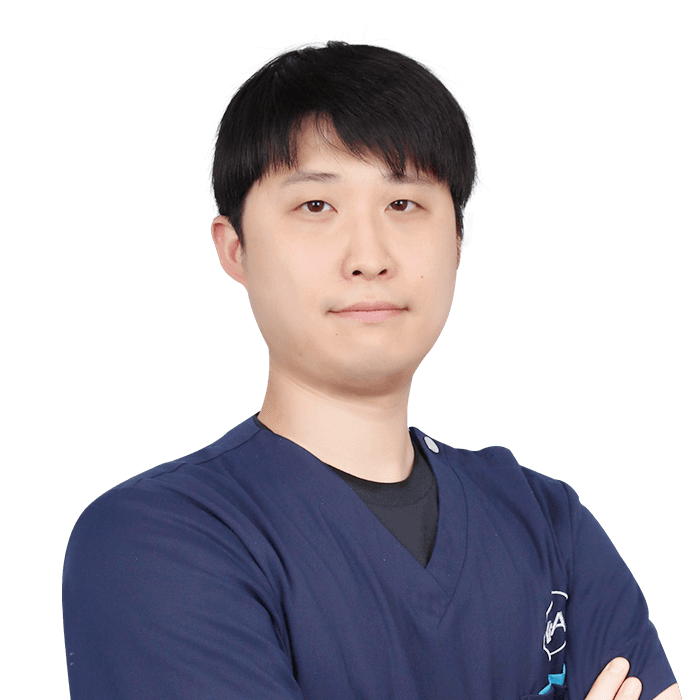
Cho Dong-won
Anesthesiology and Pain Medicine
- Clinical Instructor and Clinical Professor, Anesthesiology and Pain Medicine, Seoul National University Hospital
- Full Member, Korean Society of Anesthesiologists
- Full Member, Korean Pain Society
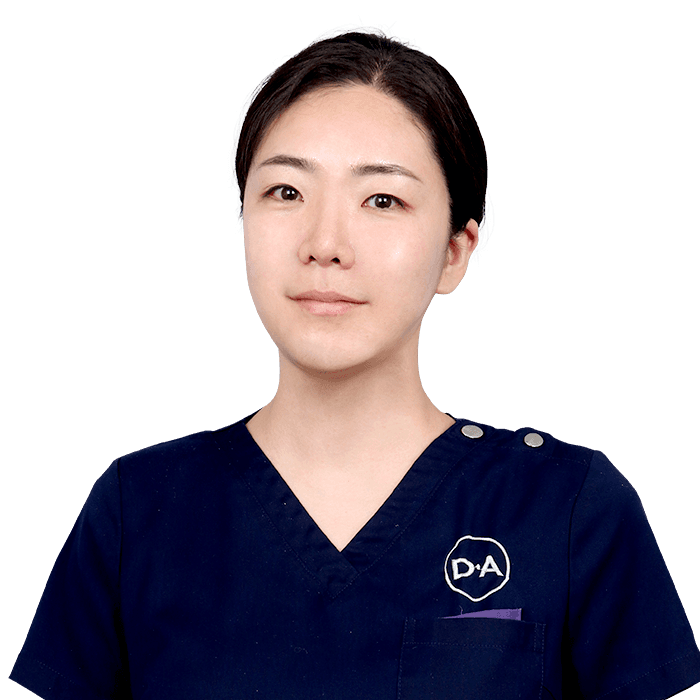
Joo Ji-yeon
Anesthesiology and Pain Medicine
- Anesthesiology and Pain Medicine Fellow, Seoul National University Bundang Hospital
- Full Member, Korean Society of Anesthesiologists
- Full Member, Korean Pain Society
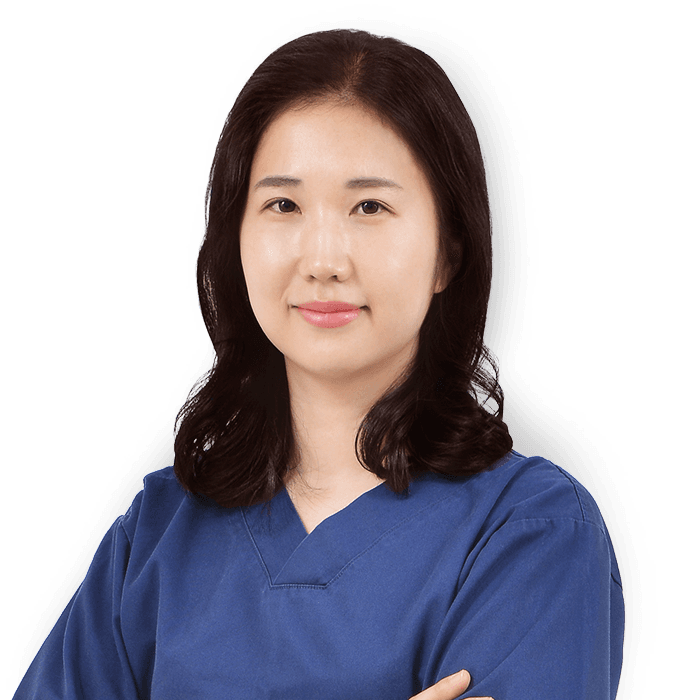
Choi Hyun-jung
Anesthesiology and Pain Medicine
- Full-time Physician, Anesthesiology and Pain Medicine, Seoul National University Bundang Hospital
- Adjunct Professor, Anesthesiology and Pain Medicine, Seoul National University Bundang Hospital
- Full Member, Korean Society of Anesthesiologists
- Full Member, Korean Pain Society