
On this page
Few K-beauty treatments have travelled as far as the polynucleotide skin booster. If you have searched for "Rejuran", "salmon DNA skin booster" or "PDRN injection" before a trip to Seoul, this guide is for you. At HERA Clinic in Gangnam, every international patient is supported by an on-site English interpreter and pays the same price as local patients — so you can focus on your skin, not the logistics.
What is a polynucleotide skin booster?
A polynucleotide (PN) skin booster is an injectable treatment that works from within the skin rather than on its surface. The active ingredient is a purified polynucleotide derived from salmon DNA — which is why you will often see it described as a "salmon DNA skin booster". Delivered through fine micro-injections into the upper skin, it helps create a healthier environment for the skin to repair itself, supporting hydration, texture and resilience over time.
You may also see the closely related term PDRN. PDRN (polydeoxyribonucleotide) and PN (polynucleotide) come from the same salmon-derived family; PN chains are longer, and both are used in regenerative skin boosters. Rejuran — one of the most recognised names, sometimes called "Rejuran Healer" — belongs to this polynucleotide category.
Mechanistically, the appeal of polynucleotides lies in where they act. Rather than sitting in the skin as a volumising gel, the polynucleotide fragments are gradually broken down in the dermis, and this process is thought to help create conditions in which resident skin cells (fibroblasts) can work more comfortably — supporting the skin's own moisture-binding and repair activity. This is why the category is described as a "skin booster" or "regenerative" treatment rather than a filler: the goal is a healthier skin environment over weeks, not an instant change in shape. Reported outcomes still vary between individuals, and published clinical data continues to evolve, so a HERA doctor frames realistic expectations for your skin during consultation.
Rejuran, Rejuran HB, Rejuran I & Revive — HERA's line-up
Healthy skin renewal needs both deep moisture and genuine repair, so HERA's Hydration & Repair program layers regenerative boosters to your skin:
- Rejuran — restores the dermal environment with salmon-derived polynucleotide (PN).
- Rejuran HB — adds hyaluronic acid to lock in lasting moisture for dry, tight skin.
- Rejuran I — refines delicate zones such as fine lines and thin under-eye skin.
- Revive — works deeper in the dermis to help rebuild firmness and glow.
Each protocol is matched to your skin thickness and concern, rather than applied as a one-size-fits-all shot. For pores and depressed acne scars, HERA more often pairs collagen stimulation in the separate Pores & Acne Scars program; your doctor will advise which path suits your goals.
Who is it for?
A polynucleotide booster is popular with patients who want healthier-looking skin quality rather than a change in facial shape. It is often considered for:
- Dull, dehydrated or chronically tight skin.
- Recovery support after lasers, peeling or other intensive treatments.
- Fine wrinkles or thin, fragile skin around the eyes.
- Early loss of elasticity and skin density.
- Anyone seeking gradual, natural improvement in skin strength and hydration.
Sessions, results and downtime
Because regeneration builds over time, a course of roughly 3–4 sessions spaced about 3–4 weeks apart is commonly recommended, followed by periodic maintenance. Skin often feels more hydrated within days, with texture and firmness improving over the following weeks.
The staggered schedule is not arbitrary. Because the effect depends on a biological repair response rather than an instantly-visible product, spacing sessions three to four weeks apart gives the skin time to respond between visits, and the cumulative course is what most patients notice — first as improved hydration and comfort, later as steadier texture and firmness. Maintenance intervals are then set individually, because skin quality, age and lifestyle all influence how long results hold.
Rejuran downtime is usually minimal. Mild redness, tiny injection bumps or slight swelling may appear and typically settle within 1–3 days, and most people return to daily life right away. Individual responses differ, so your doctor will share aftercare suited to your skin.
PRP vs Rejuran vs filler
These treatments are easy to confuse, so here is a simple comparison:
| Treatment | Main source | What it targets |
|---|---|---|
| Polynucleotide booster (Rejuran) | Purified salmon-derived polynucleotide | Skin repair environment, hydration, texture, resilience |
| PRP | Growth factors from your own blood | Skin rejuvenation using your body's own components |
| Filler | Hyaluronic acid | Volume and contour, not skin quality |
In short, PRP vs Rejuran is a question of source and mechanism rather than "better or worse", while a booster vs filler is a question of skin quality vs volume. The right choice depends on your skin, goals and medical history — assessed during your consultation.
How much does a skin booster cost in Korea?
Skin booster pricing in Korea depends on the specific formulation (Rejuran, Rejuran HB, Rejuran I or Revive), the number of sessions in your course, and the areas treated — so a precise skin booster Korea price is best confirmed after a proper consultation rather than from a single online figure. What we can promise at HERA is transparency: international patients pay the same price as local patients, with no foreigner markup, and your plan is explained clearly before anything begins.
What a session at HERA looks like
- Consultation & skin analysis — a HERA doctor assesses hydration, density and your target areas.
- Cleansing & numbing — makeup is removed and topical anaesthetic (with cooling if needed) is applied for comfort.
- Booster injection — the matched Rejuran or Revive formulation is delivered with a fine micro multi-shot technique at the ideal depth.
- Soothing & aftercare — calming care settles the skin, and hydration and sun-care guidance is provided to support regeneration.
Visiting HERA in Gangnam
For international patients, the practical side of a Seoul trip matters as much as the treatment itself. HERA is located in Gangnam, central Seoul, and structures each visit so that language and logistics never get in the way of your care.
- Enquiry & booking — you can reach the English-speaking team ahead of your trip to share your concerns and photos, receive general guidance, and reserve a consultation slot that fits your travel dates.
- On-site English interpretation — an interpreter supports your consultation, treatment and aftercare explanation, so you understand each step and can ask questions freely.
- Same price for everyone — international patients pay the same price as local patients, with no foreigner markup, and your plan is explained in full before anything begins.
- Payment — accepted methods and any deposit terms are confirmed by the team in advance so there are no surprises on the day.
How long to stay: a single polynucleotide booster session is short and downtime is usually minimal, so many visitors fit it around sightseeing. If you are planning a full 3–4 session course, most of it happens after you return home; discuss with your doctor whether to start the first session in Seoul and continue locally, or to concentrate visits during a longer stay.
Aftercare while travelling: because reactions are typically limited to brief redness or tiny injection bumps for 1–3 days, aftercare on a trip is mostly gentle — keep the area clean, avoid heavy heat (saunas, intense sun), stay hydrated and follow the sun-care guidance you are given. Your doctor will flag anything to watch for and how to reach the clinic if you have questions after you leave.
Combining treatments: many travellers pair a booster with other skin-quality or lifting procedures during the same visit. Whether treatments can safely be combined on one day depends on your skin and the specific procedures, so this is planned during your consultation rather than assumed — see the Hydration & Repair program or the Pores & Acne Scars program for how HERA layers regenerative care.
Frequently asked questions
Is a polynucleotide booster the same as filler?
No. A polynucleotide booster such as Rejuran is injected shallowly to hydrate and regenerate the skin from within, improving texture and resilience rather than adding volume or reshaping contours. Filler restores volume and shape, and many patients combine the two for different goals.
How many sessions will I need, and when will I see results?
Around 3–4 sessions spaced 3–4 weeks apart is common, as regeneration builds gradually. Skin often feels more hydrated within days, with texture and firmness improving over several weeks. Individual results vary and your doctor tailors the plan.
What is the downtime?
Usually minimal — mild redness or tiny injection bumps typically fade within 1–3 days, and most people return to daily life right away.
PRP vs Rejuran — which is better?
They work differently rather than one being simply "better". PRP uses growth factors from your own blood; Rejuran uses purified salmon-derived polynucleotide to support the skin's repair environment. Your doctor helps you choose based on your skin and goals.
Will I be charged more as a foreigner?
No. HERA charges international patients the same price as local patients, and an English interpreter supports your visit.
This article is general information, not medical advice; suitability, results and downtime vary between individuals. To explore a plan for your skin, our English-speaking team is one message away — see the Hydration & Repair program or browse all skin-regeneration boosters.
FAQ
Frequently asked questions
Q1Is a polynucleotide booster the same as filler?
No. A polynucleotide skin booster such as Rejuran is injected shallowly to hydrate and regenerate the skin from within, improving texture and resilience rather than adding volume or reshaping contours. Filler restores volume and shape. Many patients combine the two for different goals.Q2How many Rejuran sessions will I need and when will I see results?
A course of roughly 3–4 sessions spaced about 3–4 weeks apart is commonly recommended, because regeneration builds over time. Skin often feels more hydrated within days, while texture and firmness continue to improve over several weeks. Individual results vary and your doctor tailors the plan to your skin.Q3What is the downtime after a Rejuran or polynucleotide booster?
Downtime is usually minimal. Mild redness, tiny injection bumps, or slight swelling may appear and typically settle within 1–3 days. Most people return to daily life right away, though your doctor will share personalised aftercare.Q4PRP vs Rejuran — which is better?
They work differently. PRP uses growth factors from your own blood, while a polynucleotide booster like Rejuran uses purified salmon-derived polynucleotide to support the skin's repair environment. The best choice depends on your skin, goals and medical history, which a HERA doctor will assess during consultation.Q5How much does a skin booster cost in Korea, and are foreigners charged more?
Pricing depends on the formulation, the number of sessions and the areas treated, so a precise quote is shared after your consultation. At HERA Clinic, international patients pay the same price as local patients — there is no foreigner markup — and an English interpreter supports your visit.
HERA Journal
Keep reading
 Lifting
Thermage FLX in Korea: A Complete Guide
What Thermage FLX in Korea really involves — how it works, who it suits, what's included, recovery, and what shapes the cost.
8 minRead → Lifting
Shrink Lifting in Korea: A Patient Guide
What Shrink lifting in Korea actually does, who it suits, downtime, and how HERA in Gangnam prices it the same for locals and visitors.
8 minRead → Injectables
Fat Dissolving Injections in Korea: A Guide
What fat dissolving injections can and can't do, who they suit, downtime, and how a treatment is planned for international patients in Gangnam, Seoul.
8 minRead →
On YouTube
YouTube videos
Explainer videos from our medical team — tap to play.
Your medical team
The team by your side
The director who consults with you performs your surgery personally. A team of 40, including 24 board-certified plastic surgeons and 9 on-site anesthesiologists, is with you 1:1 from consultation to aftercare. Results vary by individual.

Koo Hyun-kook
Plastic Surgery
- Lifetime Member, Korean Society of Plastic and Reconstructive Surgeons
- Full Member, Korean Society for Aesthetic Plastic Surgery
- Full Member, International Society of Aesthetic Plastic Surgery (IPRAS)
- Member, Korean Society for Breast Plastic Surgery Research
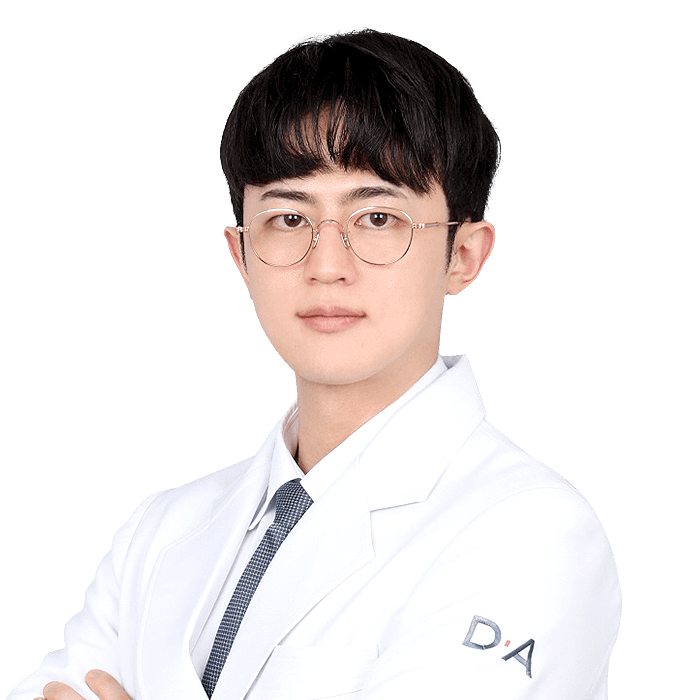
Kim Kyung-hoe
Plastic Surgery
- Completed training in Plastic Surgery, Seoul National University Hospital
- Lifetime Member, Korean Society of Plastic and Reconstructive Surgeons
- Full Member, Korean Society for Aesthetic Plastic Surgery
- Full Member, Korean Society of Craniofacial Plastic Surgery
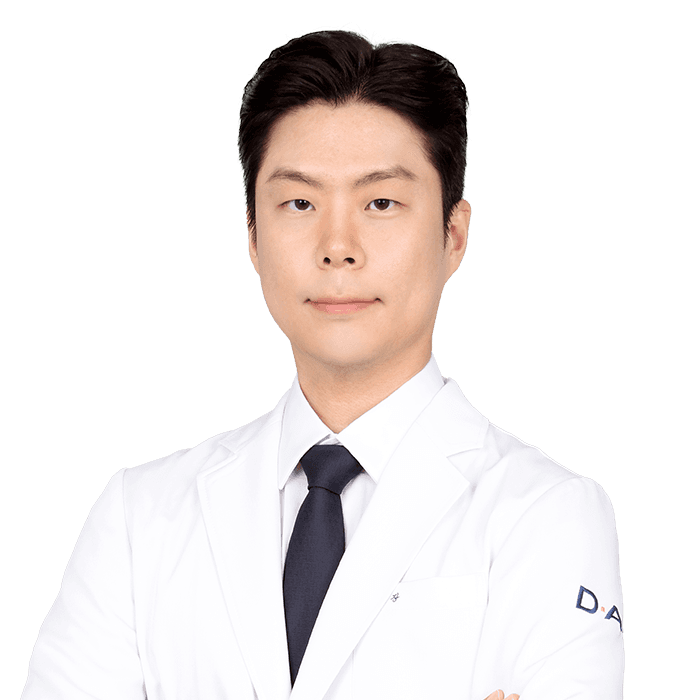
Kim Do-yeon
Plastic Surgery
- Completed training in Plastic Surgery, Seoul Asan Medical Center
- Clinical Instructor, Plastic Surgery, Seoul Asan Medical Center
- Lifetime Member, Korean Society of Plastic and Reconstructive Surgeons
- Full Member, Korean Society for Aesthetic Plastic Surgery
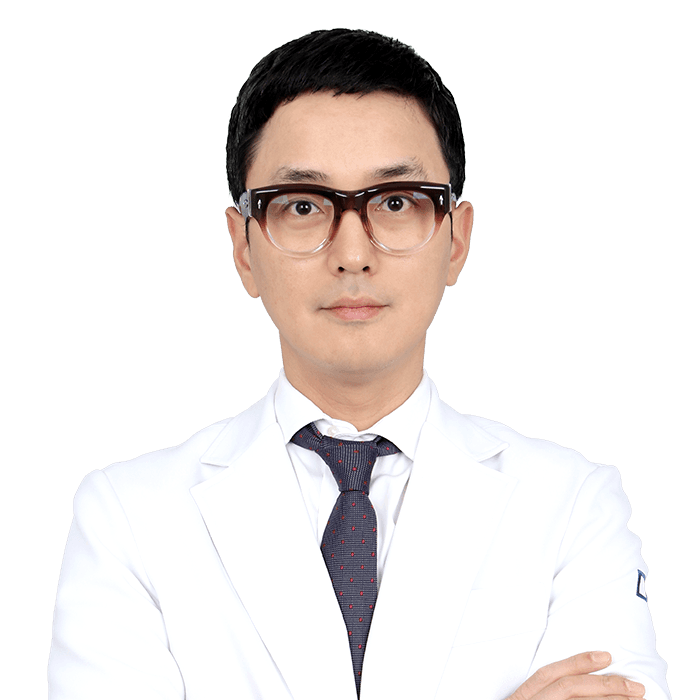
Kim Seok-hwan
Plastic Surgery
- Full Member, Korean Society of Plastic and Reconstructive Surgeons
- Full Member, Korean Society for Aesthetic Plastic Surgery
- Full-time Physician, Suncheon University Hospital
- (Former) Director, Yeonrael Plastic Surgery
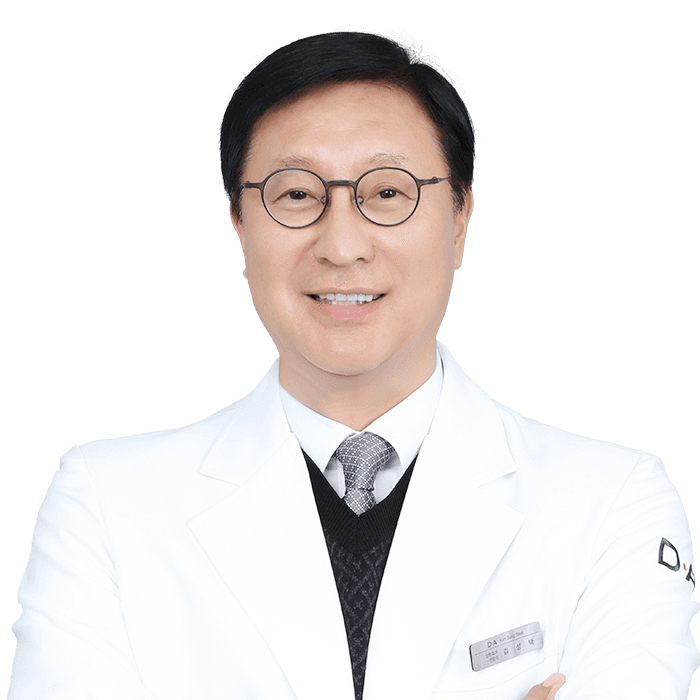
Kim Seong-taek
Plastic Surgery
- Lifetime Member, Korean Society of Plastic and Reconstructive Surgeons
- Full Member, Korean Association of Plastic Surgeons
- Full Member, Korean Society for Aesthetic Plastic Surgery
- Full Member, Korean Society of Craniofacial Plastic Surgery
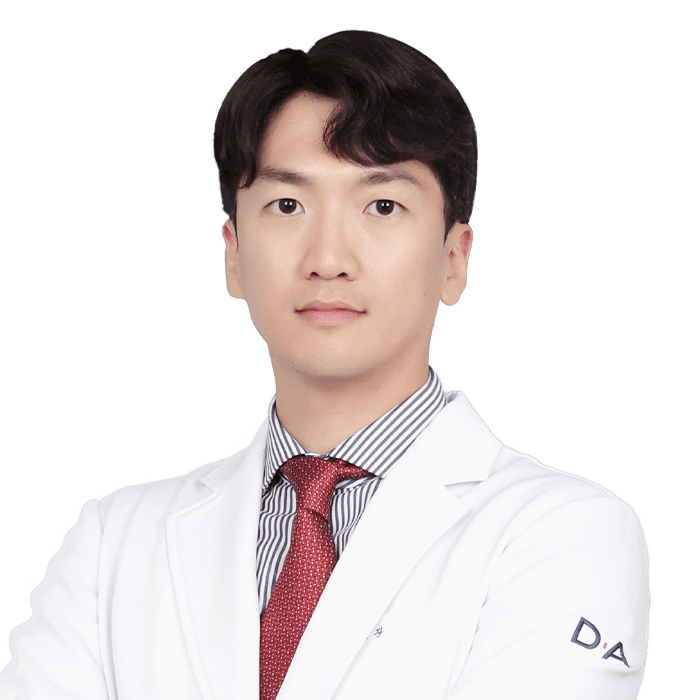
Kim Jin-bin
Plastic Surgery
- Lifetime Member, Korean Society of Plastic and Reconstructive Surgeons
- Full Member, Korean Society for Aesthetic Plastic Surgery
- (Former) Director, Juno Plastic Surgery
- (Former) Director, Seoul Yeojeong Plastic Surgery
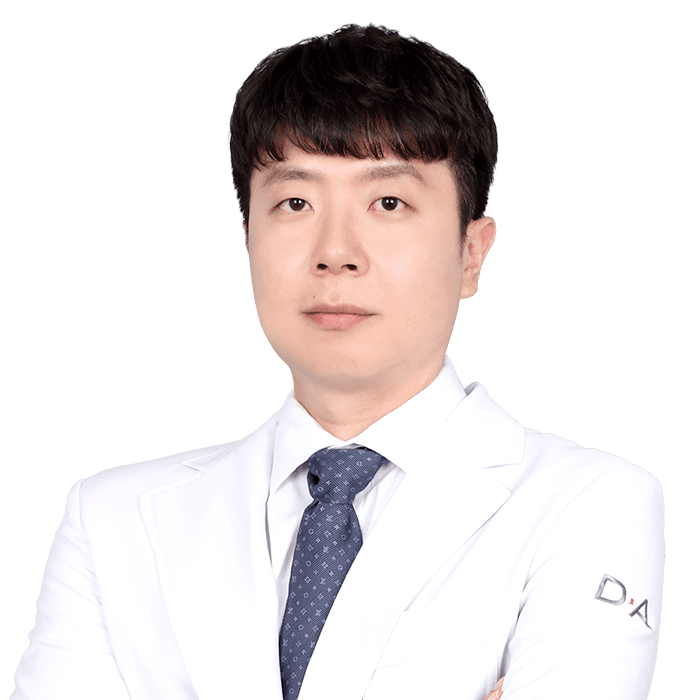
Kim Tae-ki
Plastic Surgery
- Full Member, Korean Society of Plastic and Reconstructive Surgeons
- Full Member, Korean Society for Aesthetic Plastic Surgery
- Full Member, Korean Society of Craniofacial Plastic Surgery
- (Former) Director, Juno Plastic Surgery
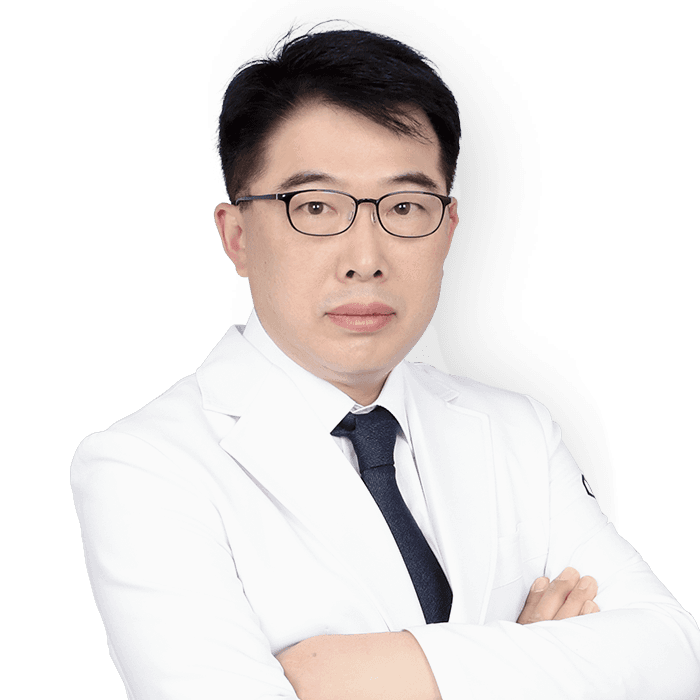
Nam Dong-woo
Plastic Surgery
- Lifetime Member, Korean Society of Plastic and Reconstructive Surgeons
- Full Member, Korean Society for Aesthetic Plastic Surgery
- Full Member, International Society of Aesthetic Plastic Surgery (ISAPS)
- (Former) Director, BK Plastic Surgery
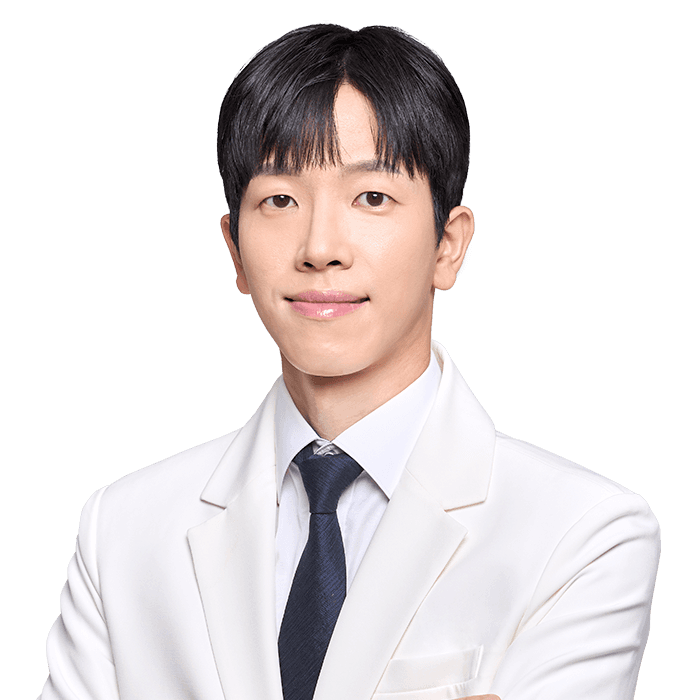
Yoo Woo-sang
Plastic Surgery
- Full Member, Korean Society of Plastic and Reconstructive Surgeons
- Full Member, Korean Society for Aesthetic Plastic Surgery
- Youth Career Planning Mentor, Ministry of Education
- (Former) Director, Naturalism Plastic Surgery
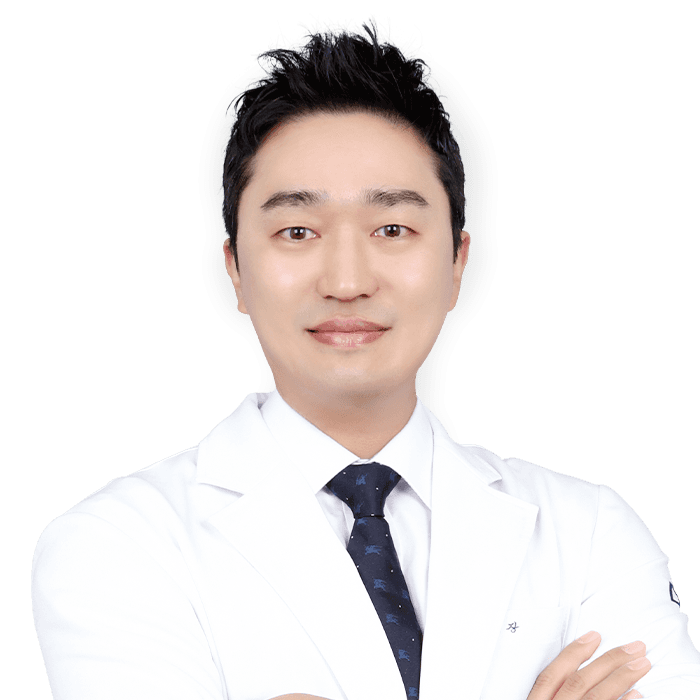
Park Min-seok
Plastic Surgery
- Lifetime Member, Korean Society of Plastic and Reconstructive Surgeons
- Full Member, Korean Society for Aesthetic Plastic Surgery
- Full Member, Korean Association of Plastic Surgeons
- Clinical Outpatient Professor, Sanggye Paik Hospital
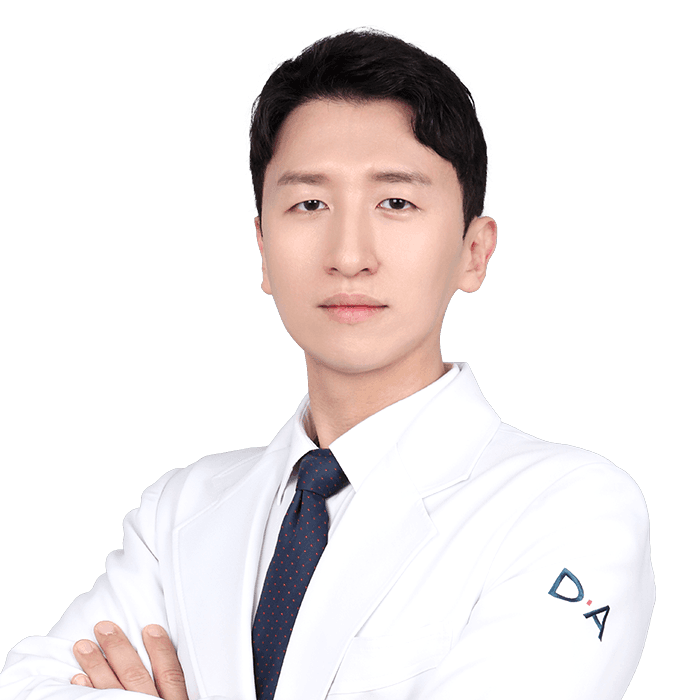
Park Jin-woo
Plastic Surgery
- Lifetime Member, Korean Society of Plastic and Reconstructive Surgeons
- Full Member, Korean Society for Aesthetic Plastic Surgery
- Completed training in Plastic Surgery, Yonsei University Severance Hospital
- Plastic Surgery Fellowship, UNC Medical Center
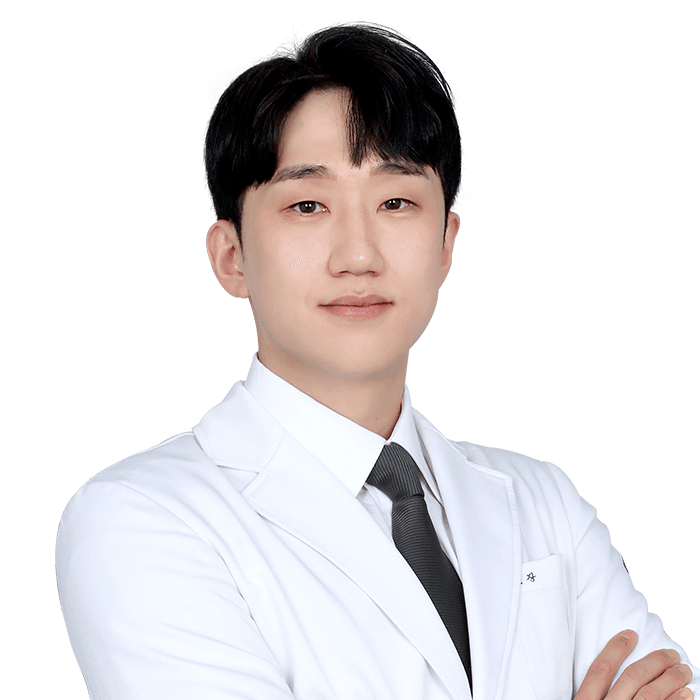
Bae Jae-young
Plastic Surgery
- Plastic Surgery Specialist Residency, Yonsei Severance Hospital
- Specialist (Clinical Instructor), Yonsei Severance Hospital
- Lifetime Member, Korean Society of Plastic and Reconstructive Surgeons
- Full Member, Korean Society for Aesthetic Plastic Surgery
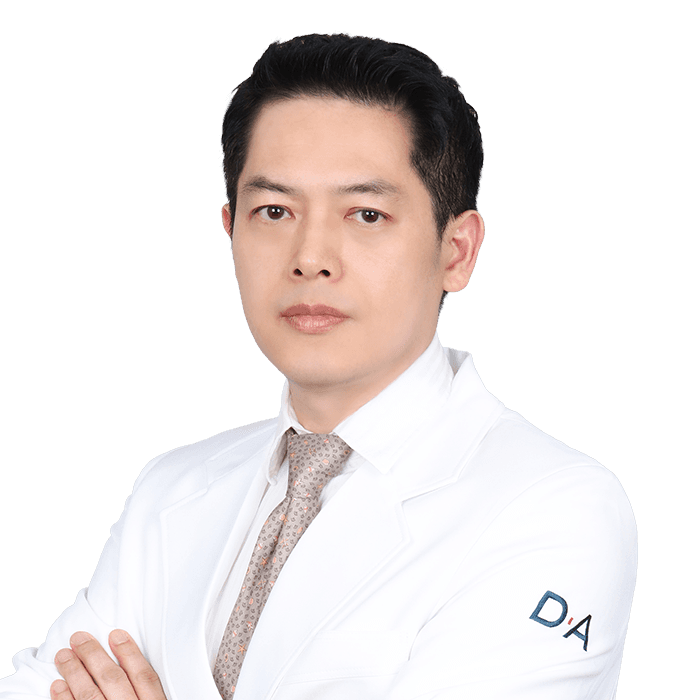
Seo Sang-hoon
Plastic Surgery
- Full Member, Korean Society of Plastic and Reconstructive Surgeons
- Full Member, Korean Society for Aesthetic Plastic Surgery
- Full Member, Korean Association of Plastic Surgeons
- (Former) Girim Plastic Surgery
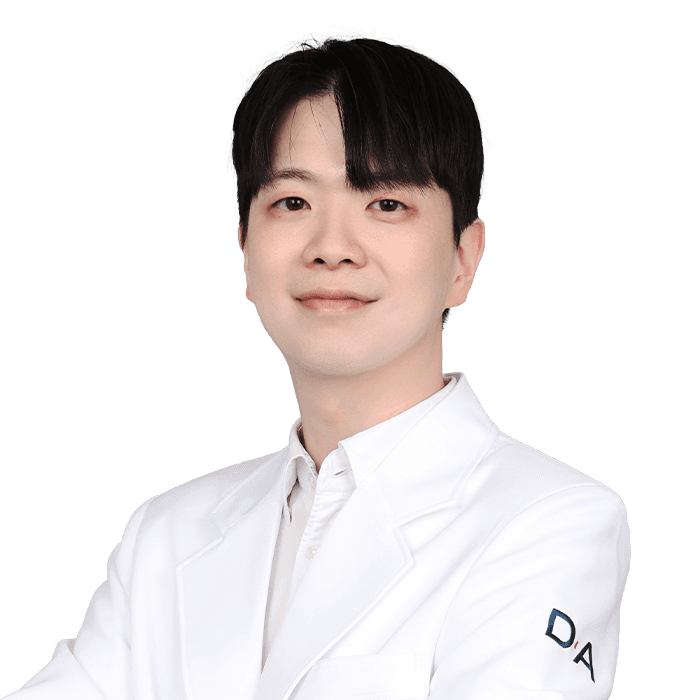
Yang Hee-jae
Plastic Surgery
- Lifetime Member, Korean Society of Plastic and Reconstructive Surgeons
- Full Member, Korean Society for Aesthetic Plastic Surgery
- (Former) Director, Aime Plastic Surgery Clinic
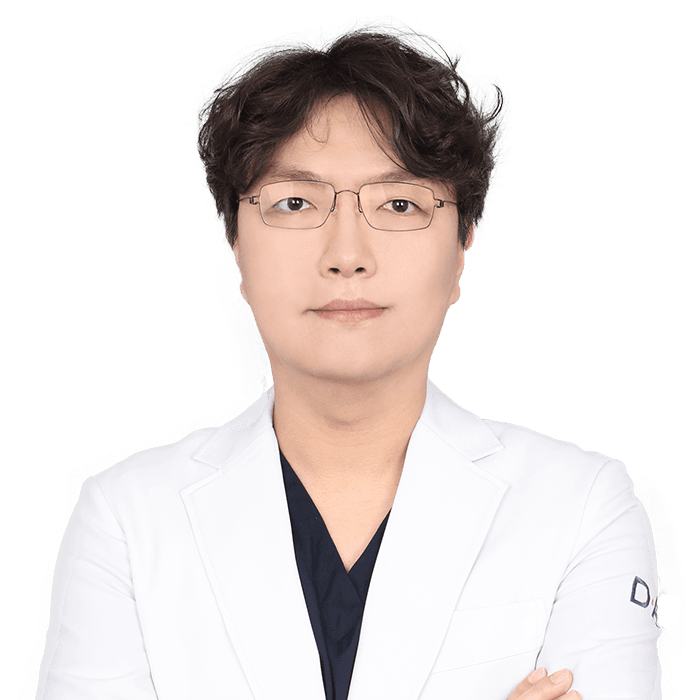
Yoo Young-sun
Plastic Surgery
- Full Member, Korean Society of Plastic and Reconstructive Surgeons
- Full Member, Korean Society for Aesthetic Plastic Surgery
- Full Member, Oculoplastic Surgery Research Group, Korean Society of Plastic Surgery
- Full Member, Rhinoplasty Research Group, Korean Society of Plastic Surgery
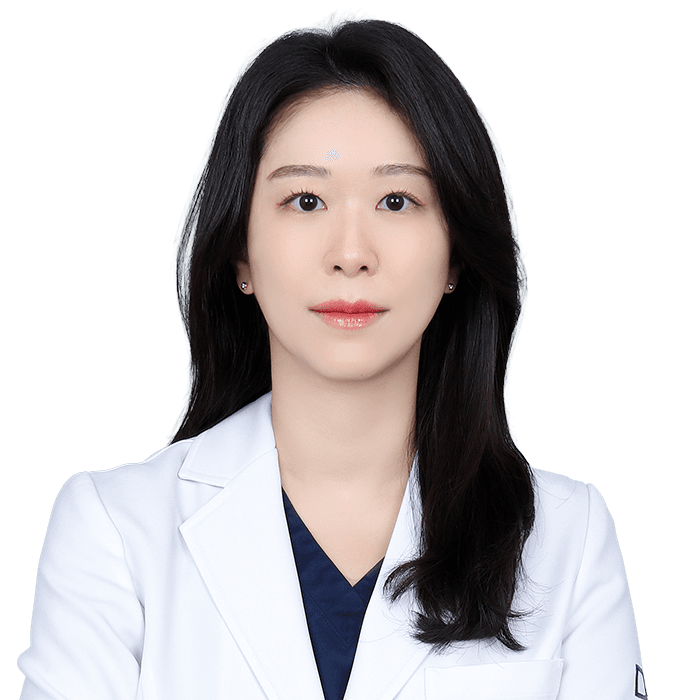
Yoo Hyo-kyung
Plastic Surgery
- Completed doctoral program, Seoul National University College of Medicine
- Full-time Physician, Plastic Surgery, Seoul National University Hospital
- Full Member, Korean Society of Plastic and Reconstructive Surgeons
- Full Member, Korean Society for Aesthetic Plastic Surgery
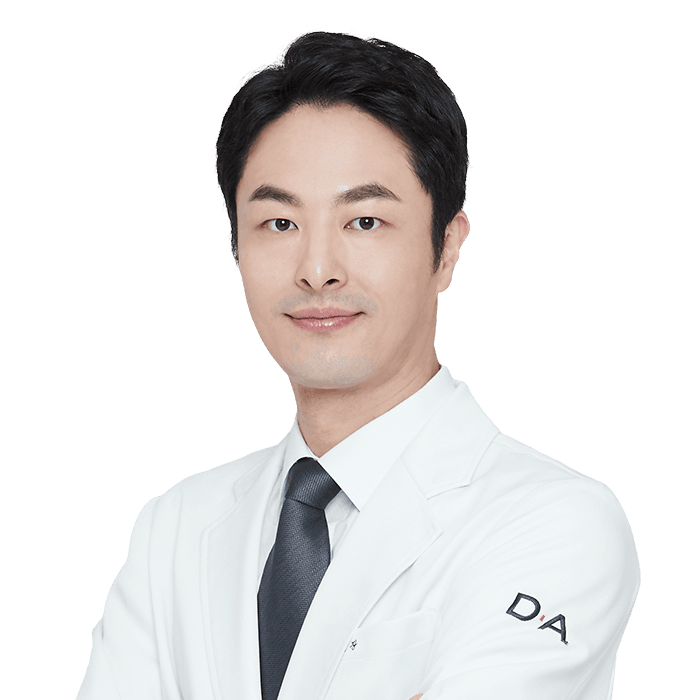
Lee Dong-chan
Plastic Surgery
- Completed training in Plastic Surgery, Seoul National University Hospital
- Full Member, Korean Association of Plastic Surgeons
- Lifetime Member, Korean Society of Plastic and Reconstructive Surgeons
- Full Member, Korean Society for Aesthetic Plastic Surgery
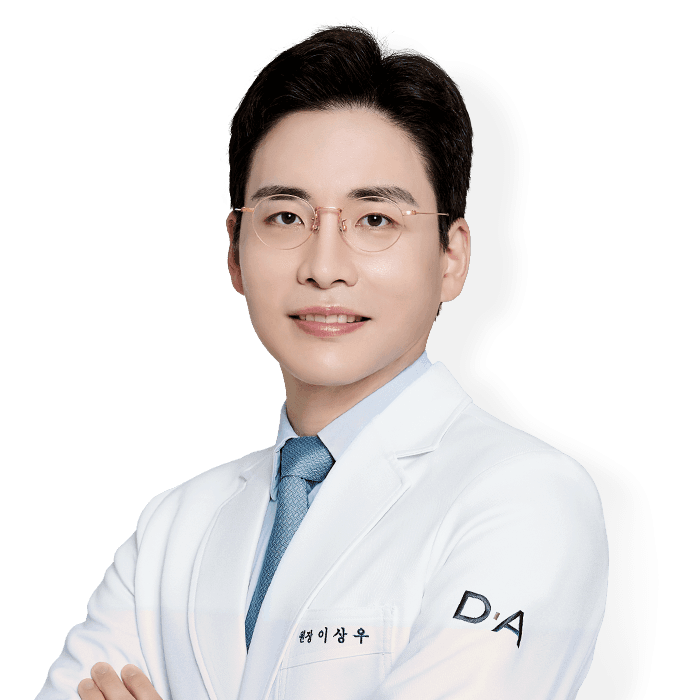
Lee Sang-woo
Plastic Surgery
- Adjunct Professor, Plastic Surgery, Seoul National University Hospital
- Ph.D., Seoul National University Graduate School of Medicine
- Lifetime Member, Korean Society of Plastic and Reconstructive Surgeons
- Member, Korean Society for Maxillofacial Contouring Plastic Surgery Research
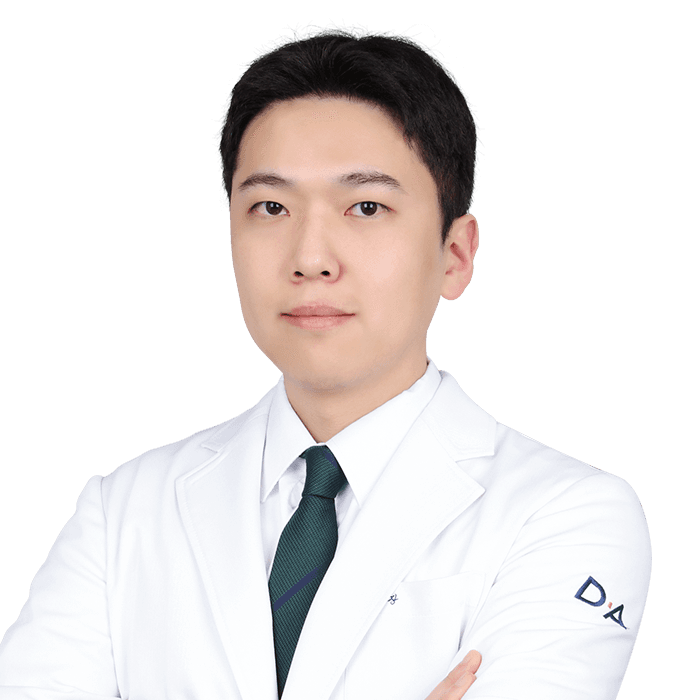
Lee Seong-joo
Plastic Surgery
- Lifetime Member, Korean Society of Plastic and Reconstructive Surgeons
- Full Member, Korean Society for Aesthetic Plastic Surgery
- Full Member, Korean Society of Craniofacial Plastic Surgery
- Full Member, Korean Association of Plastic Surgeons
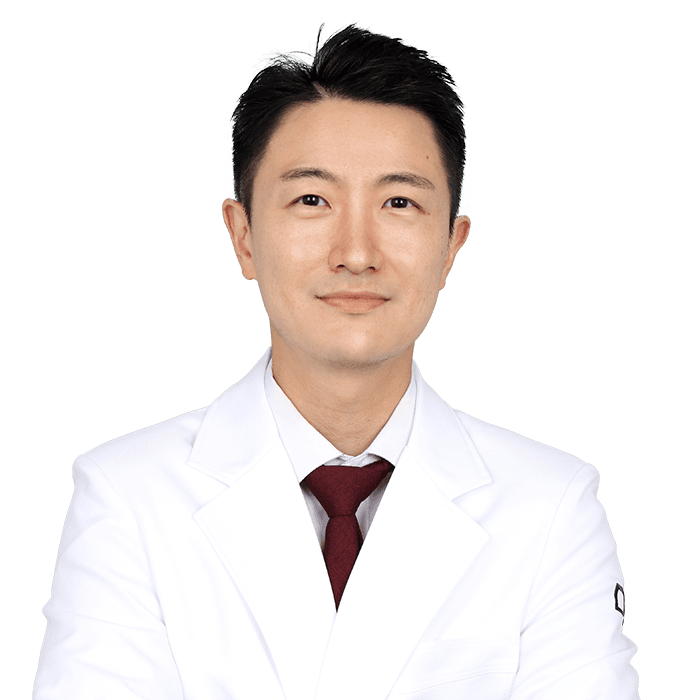
Lee Yoon-hwan
Plastic Surgery
- Adjunct Professor, Plastic Surgery, Korea University College of Medicine
- Ph.D. in Plastic Surgery, Korea University College of Medicine
- Lifetime Member, Korean Society of Plastic and Reconstructive Surgeons
- Full Member, Korean Society for Aesthetic Plastic Surgery
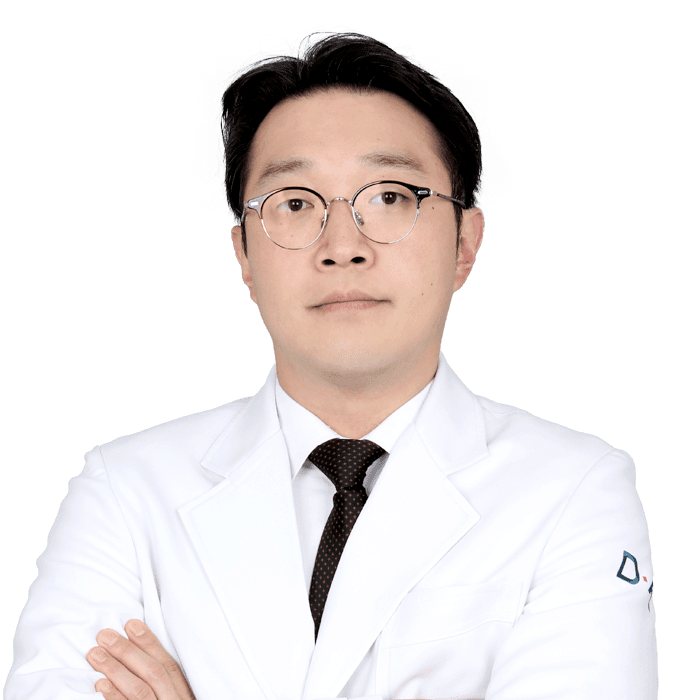
Lee Jae-hyun
Plastic Surgery
- Completed training in Plastic Surgery, Hanyang University Medical Center
- Full Member, Korean Society of Plastic and Reconstructive Surgeons
- Full Member, Korean Association of Plastic Surgeons
- Full Member, Korean Society for Aesthetic Plastic Surgery
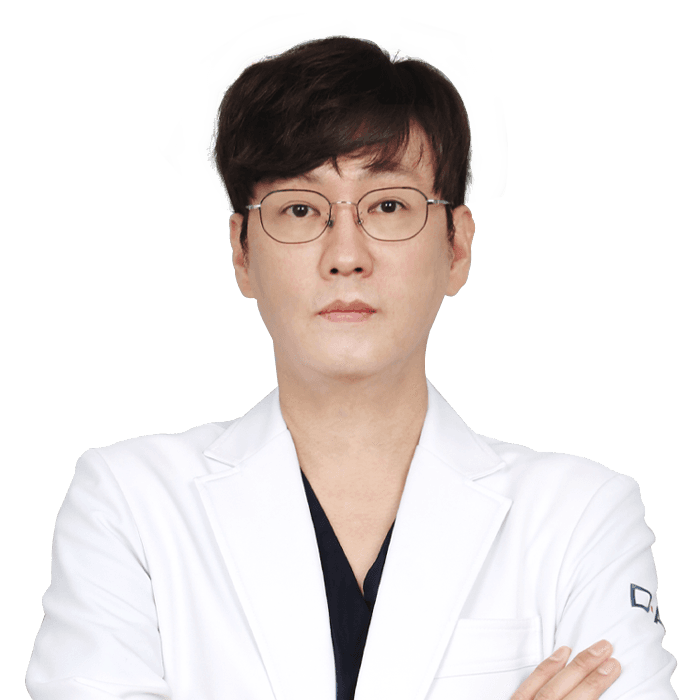
Jang Joo-yoon
Plastic Surgery
- Full-time Physician, Plastic Surgery, Seoul National University Hospital
- Consultant, Plastic Surgery, Seoul National University Bundang Hospital
- Lifetime Member, Korean Society of Plastic and Reconstructive Surgeons
- International Member, American Society of Plastic Surgeons (ASPS)
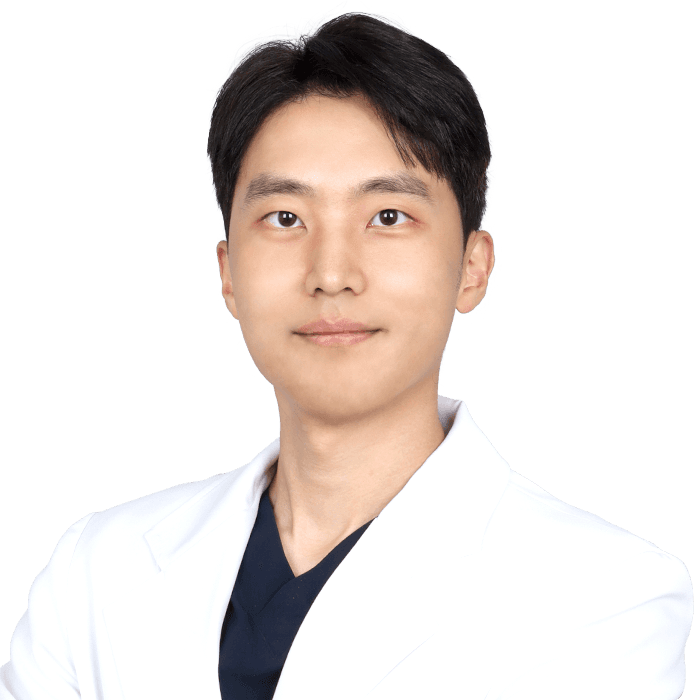
Jung Jae-hoon
Plastic Surgery
- Graduated from Sungkyunkwan University School of Medicine, Korea
- Plastic Surgery Specialist, Samsung Medical Center
- Outpatient Professor, Plastic Surgery, Samsung Medical Center
- Lifetime Member, Korean Society of Plastic and Reconstructive Surgeons
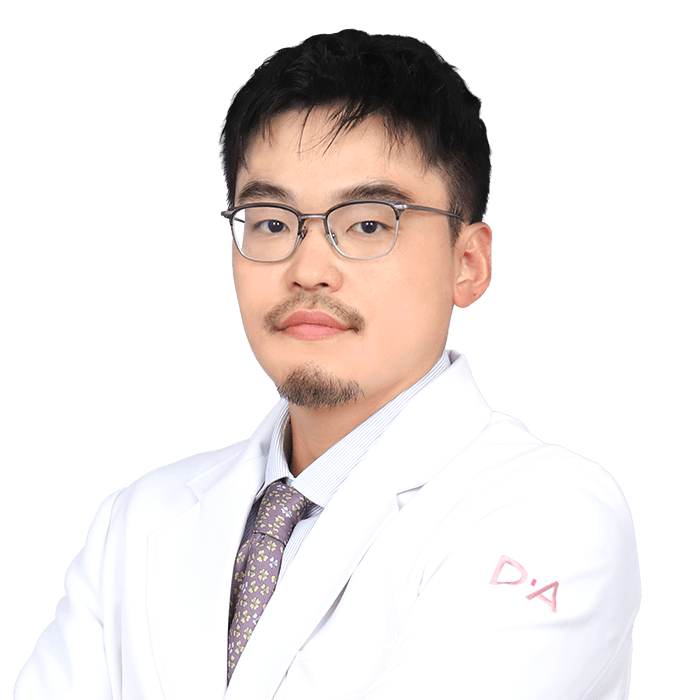
Cho Young-hoo
Plastic Surgery
- Graduated from Ajou University School of Medicine and its Graduate School
- Consultant and Visiting Professor, Plastic Surgery, Ajou University
- Lifetime Member, Korean Society of Plastic and Reconstructive Surgeons
- Full Member, Korean Society for Aesthetic Plastic Surgery
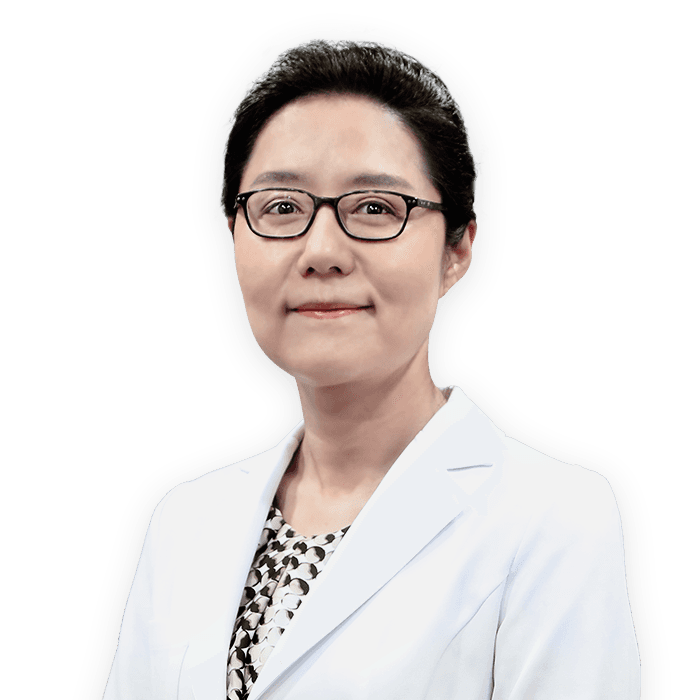
Kim Yoon-jung
ENT / Otorhinolaryngology
- Full Member, Korean Society of Otorhinolaryngology
- Full Member, Korean Rhinologic Society
- Full Member, Korean Academy of Facial Plastic and Reconstructive Surgery
- (Former) Adjunct Professor, ENT, Ewha Womans University Mokdong Hospital
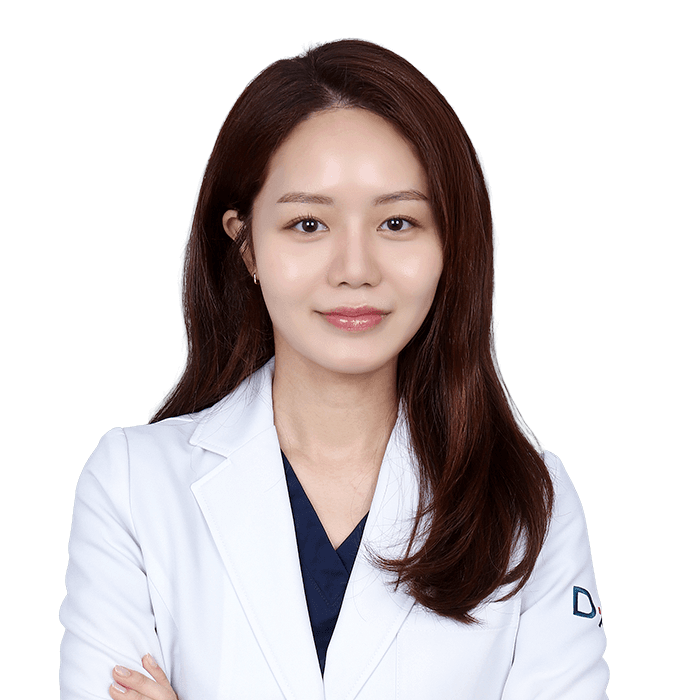
Moon Seo-jin
ENT / Otorhinolaryngology
- Graduated from Yonsei University College of Medicine
- Professor, ENT, Yongin Severance Hospital, Yonsei University College of Medicine
- Completed ENT Specialist Residency and Clinical Instructorship, Severance Hospital
- Full Member, Korean Academy of Facial Plastic and Reconstructive Surgery
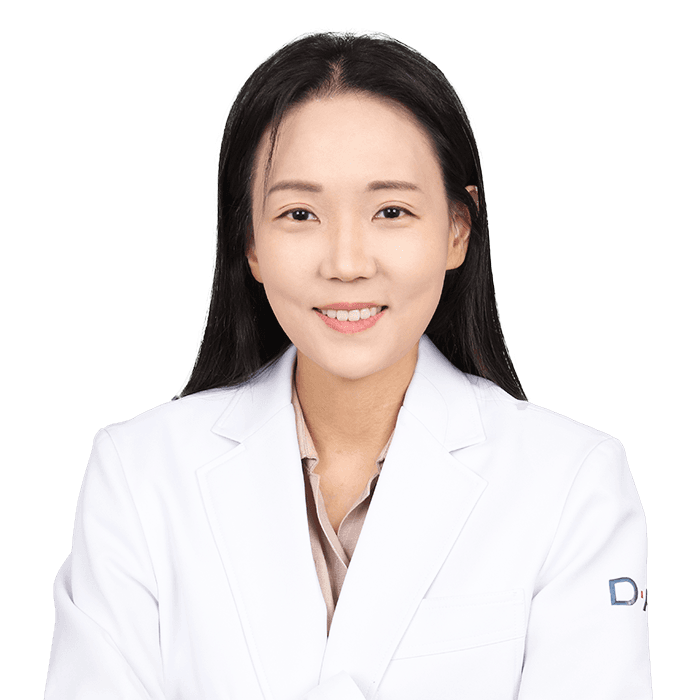
Shin Yoo-jin
Surgery / Internal Medicine
- Master's, Korea University Graduate School of Medicine
- Completed doctoral program in Internal Medicine, Seoul National University
- Internal Medicine Specialist, Seoul National University Bundang Hospital
- Endocrinology Specialist, Seoul National University Bundang Hospital
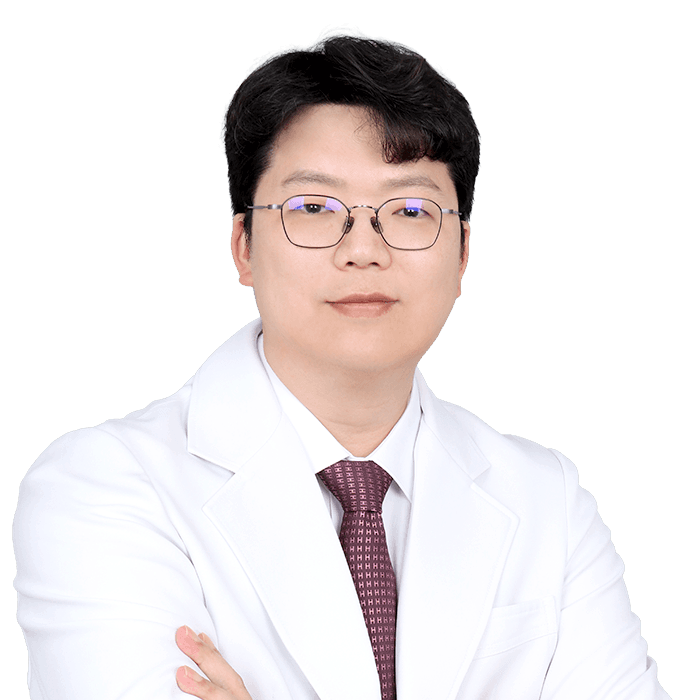
Kim Dong-hyun
Dermatology
- Specialist, Samsung Cheil Hospital
- Academic Director, Korean Society of Skin, Obesity and Aesthetic Surgery
- Allergan Botox Consultant
- (Former) Representative Director, Toxnfill Dermatology Hongdae Sinchon Branch
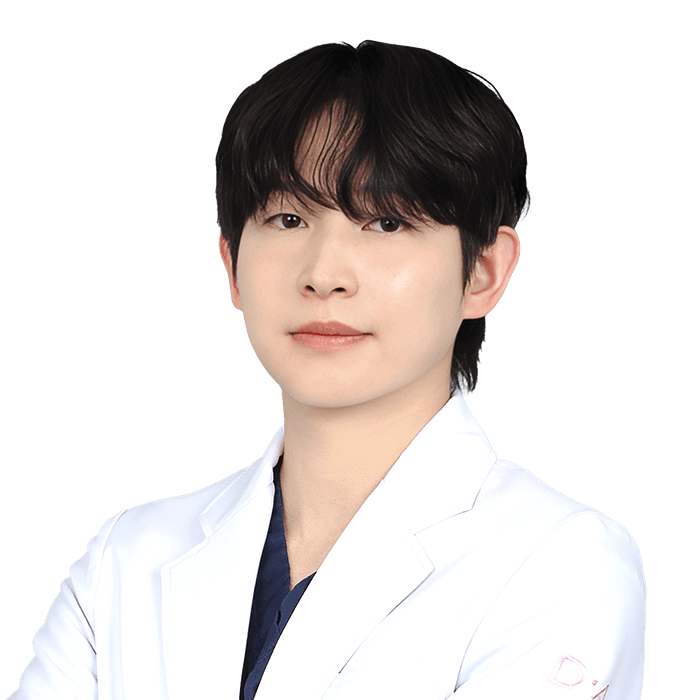
Kim Dong-hoon
Dermatology
- Full Member, Korean Lifting Society
- Full Member, Korean Hyaluronic Acid Filler Society
- (Former) Director, Onlif Plastic Surgery
- (Former) Director, pangpang Clinic
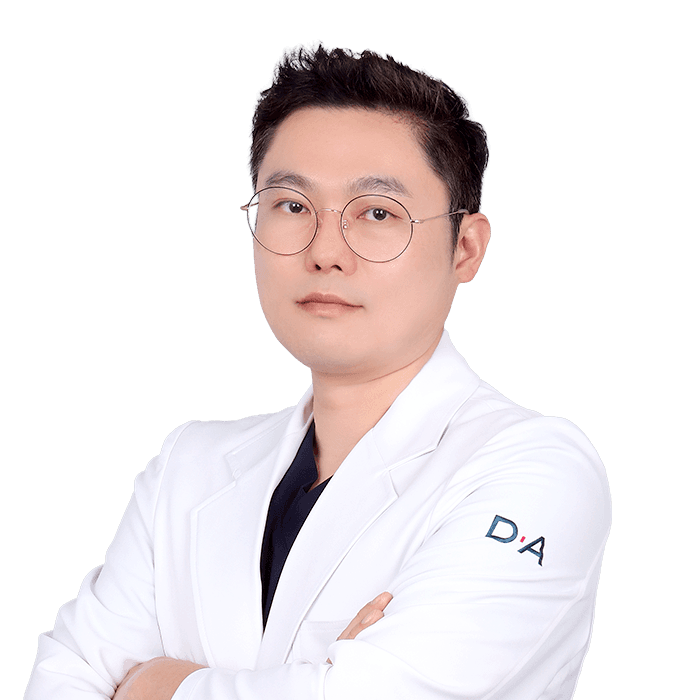
Kim Jae-han
Dermatology
- Full Member, Korean Society for Aesthetic Plastic Surgery
- Full Member, Korean Lifting Society
- Full Member, Korean Anti-Aging Research Society
- (Former) Representative Director, Cheongdam Junis
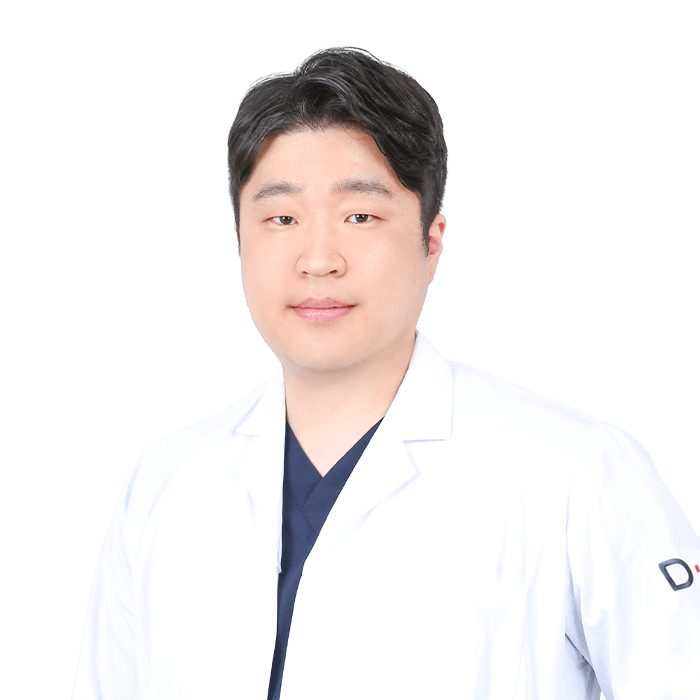
Choi Hyun-min
Dermatology
- Graduated from Washington University in St. Louis, USA
- Graduated from Catholic University of Korea Graduate School of Medicine
- Completed Surgery Specialist Program, Yonsei Severance Hospital
- (Former) Director, Yaan Clinic
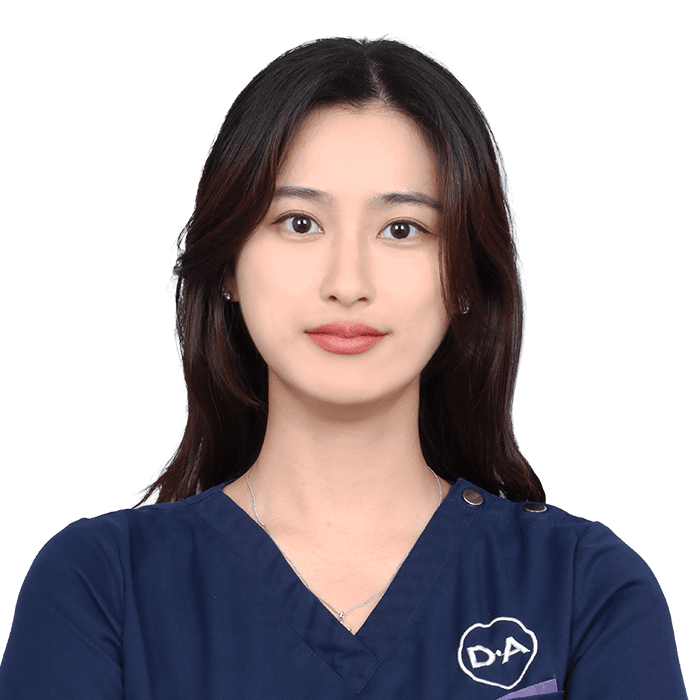
Kwon Jin-ah
Anesthesiology and Pain Medicine
- Anesthesiology and Pain Medicine Specialist, Seoul National University Hospital
- Full Member, Korean Society of Anesthesiologists

Kim Sung-hwan
Anesthesiology and Pain Medicine
- Intern, Seoul National University Hospital
- Specialist, Seoul National University Hospital
- Full Member, Korean Society of Anesthesiologists
- Full Member, Korean Society of Critical Care Medicine
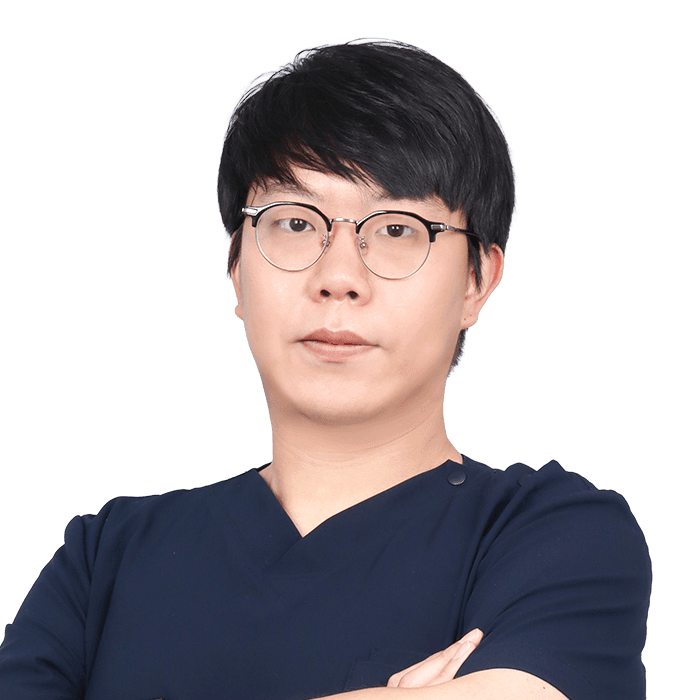
Park Dong-hyuk
Anesthesiology and Pain Medicine
- Anesthesiology and Pain Medicine Specialist, Seoul National University Hospital
- Full Member, Korean Society of Anesthesiologists
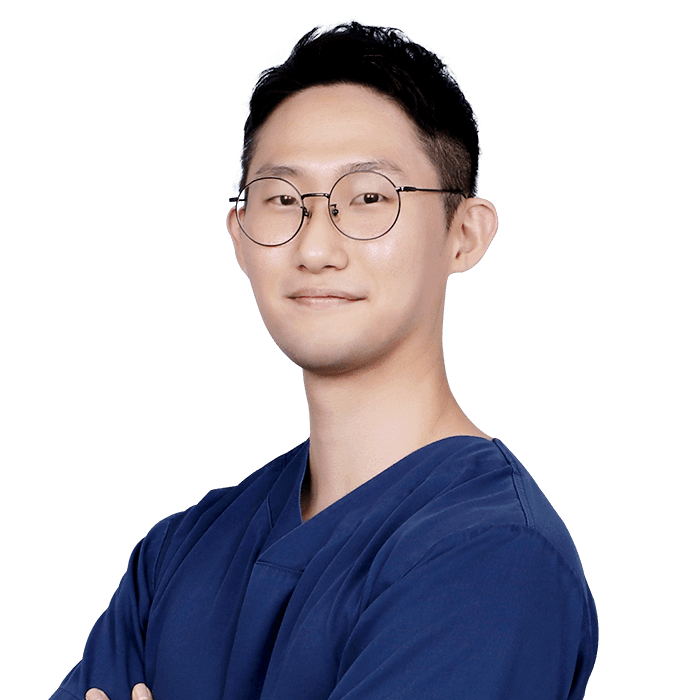
Seo Min-gang
Anesthesiology and Pain Medicine
- Anesthesiology and Pain Medicine Specialist, Seoul National University Hospital
- Full Member, Korean Society of Anesthesiologists
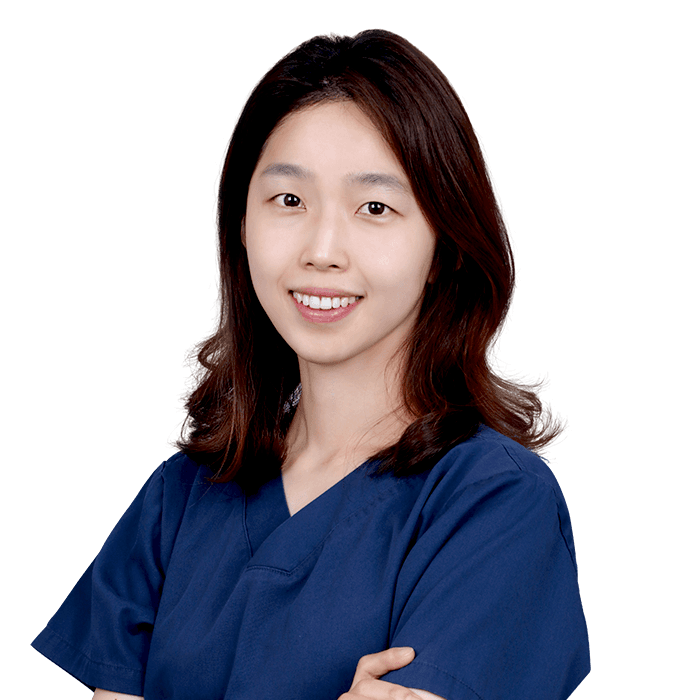
Yang Hye-mo
Anesthesiology and Pain Medicine
- Anesthesiology and Pain Medicine Specialist, Seoul National University Hospital
- Full Member, Korean Society of Anesthesiologists
- Full Member, Korean Pain Society
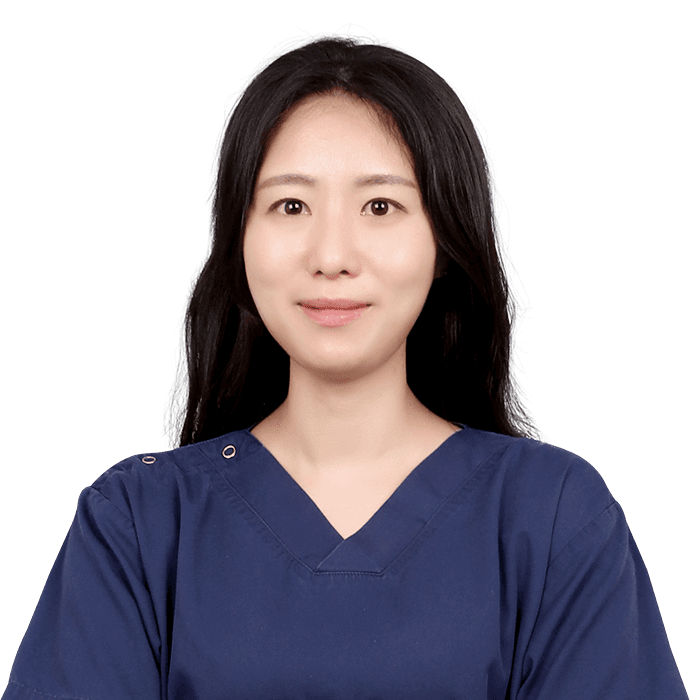
Lee Mi-sook
Anesthesiology and Pain Medicine
- Anesthesiology and Pain Medicine Specialist, Kangbuk Samsung Hospital, Sungkyunkwan University School of Medicine
- Full Member, Korean Society of Anesthesiologists
- Full Member, Korean Pain Society
- Full Member, Korean Society of Cardiothoracic Anesthesiologists
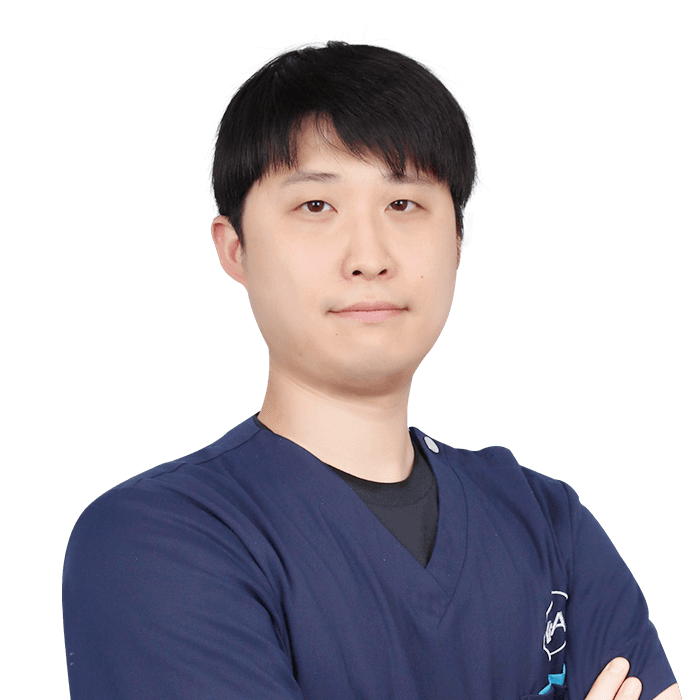
Cho Dong-won
Anesthesiology and Pain Medicine
- Clinical Instructor and Clinical Professor, Anesthesiology and Pain Medicine, Seoul National University Hospital
- Full Member, Korean Society of Anesthesiologists
- Full Member, Korean Pain Society
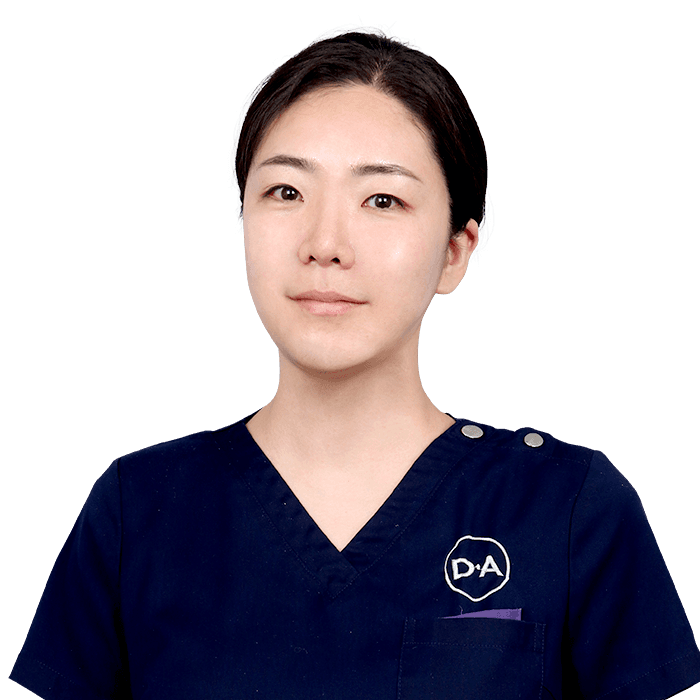
Joo Ji-yeon
Anesthesiology and Pain Medicine
- Anesthesiology and Pain Medicine Fellow, Seoul National University Bundang Hospital
- Full Member, Korean Society of Anesthesiologists
- Full Member, Korean Pain Society
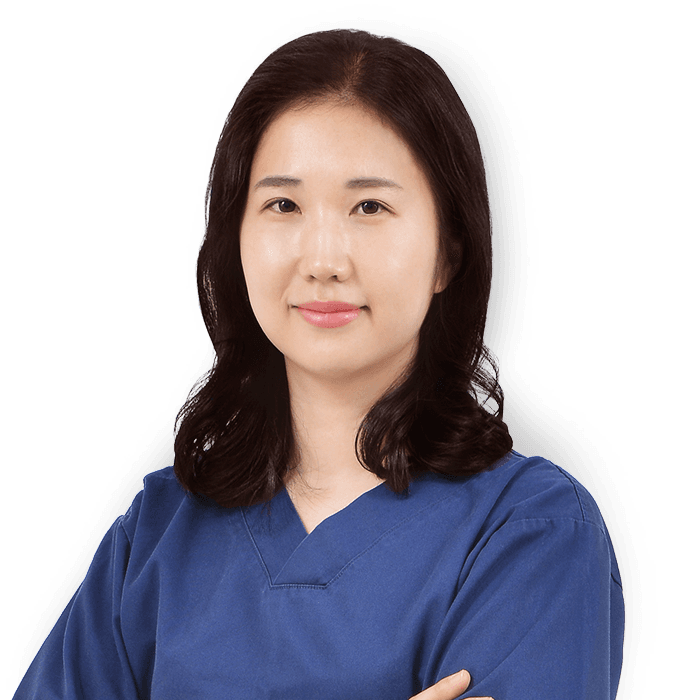
Choi Hyun-jung
Anesthesiology and Pain Medicine
- Full-time Physician, Anesthesiology and Pain Medicine, Seoul National University Bundang Hospital
- Adjunct Professor, Anesthesiology and Pain Medicine, Seoul National University Bundang Hospital
- Full Member, Korean Society of Anesthesiologists
- Full Member, Korean Pain Society